Aspirin — History, Pharmacology & Modern Evidence
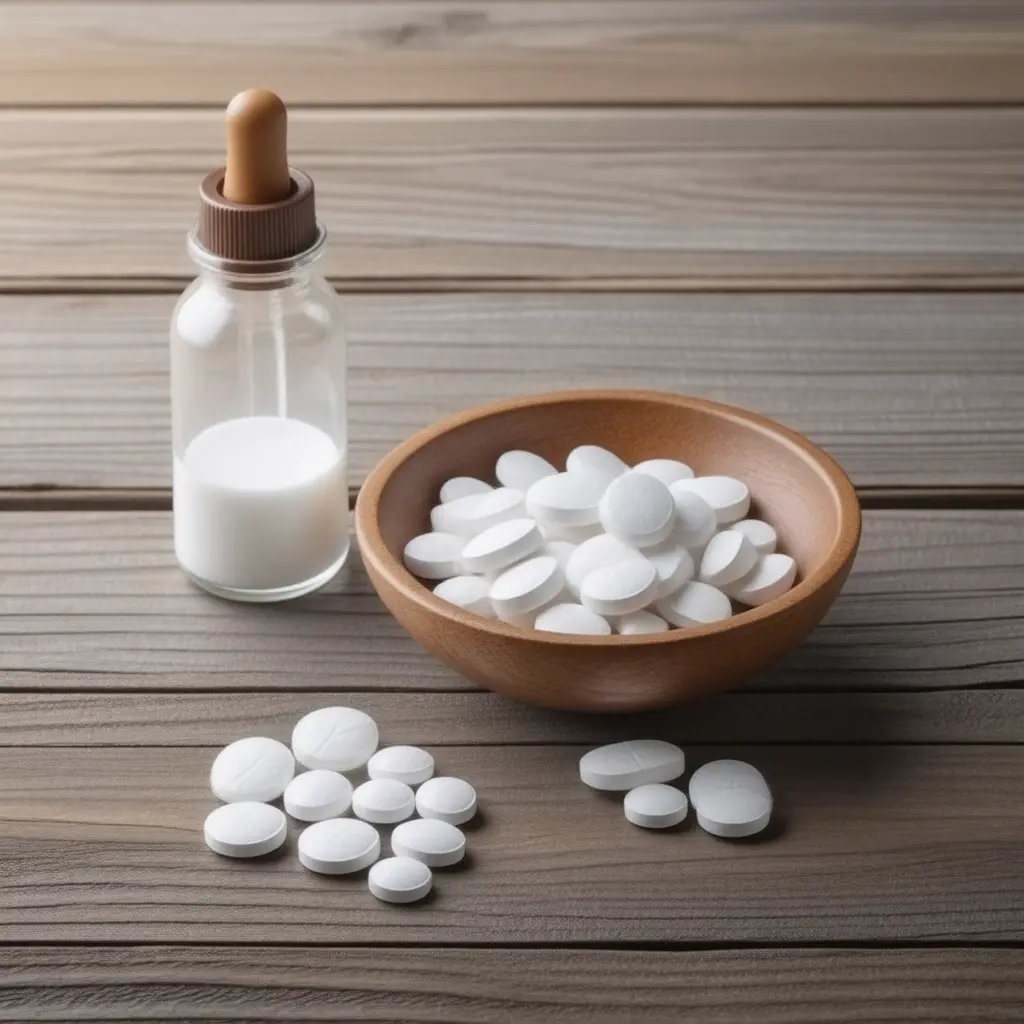
Table of Contents
- Deep-Dive Articles
- A Brief History of Aspirin
- How Aspirin Works: A Quick Pharmacology Primer
- Modern Dose Categories
- Key Research Papers & Resources
- Featured Videos
Aspirin (acetylsalicylic acid, ASA) is one of the most widely used and most thoroughly studied medications in the history of medicine. Synthesized in pure, stable form by Bayer chemist Felix Hoffmann in 1897 and brought to market in 1899, aspirin has spent more than a century evolving from a simple analgesic and antipyretic into a cornerstone of modern cardiovascular prevention. Its mechanism — irreversible inhibition of cyclooxygenase (COX) enzymes — was not understood until Sir John Vane's 1971 discovery, which earned him the 1982 Nobel Prize in Physiology or Medicine.
Today aspirin sits at the intersection of pharmacology, cardiology, oncology, and nephrology. Low-dose aspirin (typically 81 mg in the United States, 75 mg in the United Kingdom) reduces recurrent heart attacks and ischemic strokes; chewing 162–325 mg of non-enteric aspirin during suspected acute myocardial infarction can be life-saving; and a growing body of evidence links long-term aspirin use to reduced incidence of colorectal cancer. Yet aspirin is not benign — gastrointestinal bleeding, hemorrhagic stroke, and renal injury are real risks that have driven major guideline shifts in primary prevention since 2018.
Deep-Dive Articles
Aspirin Health Benefits
A comprehensive overview of aspirin's evidence-based benefits across cardiovascular protection, anti-inflammatory action, analgesia, antipyresis, colorectal cancer reduction, pre-eclampsia prevention, migraine relief, and emerging research in dementia and metabolic disease. Includes the modern dosing landscape and current USPSTF guidance on who should and should not take aspirin.
Aspirin for Heart Attack Prevention
The cardiovascular case for aspirin: the landmark ISIS-2 acute MI trial (1988), the Physicians' Health Study (1989), the Antithrombotic Trialists' Collaboration meta-analyses, and the 2018 trio (ARRIVE, ASCEND, ASPREE) that reshaped primary prevention guidance. Covers the chew-an-aspirin acute chest pain protocol, dual antiplatelet therapy after stents, aspirin resistance, and dosing forms.
Aspirin for Stroke Prevention
Aspirin's role in primary prevention, secondary prevention after stroke or TIA, and acute ischemic stroke treatment. Covers the IST and CAST 1997 trials, CHANCE and POINT dual antiplatelet trials, why aspirin is no longer adequate alone for atrial fibrillation, and the critical distinction between ischemic and hemorrhagic stroke risk.
Aspirin & The Kidneys
The renal-physiology side of NSAID use: prostaglandin-mediated afferent arteriole vasodilation, acute kidney injury, analgesic nephropathy and papillary necrosis, the classic "triple whammy" of NSAID + ACE inhibitor + diuretic, considerations in chronic kidney disease and dialysis patients, and whether low-dose 81 mg carries meaningful renal risk.
Aspirin & Cancer Prevention
The 30-year colorectal cancer story: observational evidence from the Nurses' Health Study, randomized trial follow-up by Rothwell and colleagues, the CAPP2 Lynch syndrome trial, and the ongoing Add-Aspirin adjuvant cancer trial. Honest framing of the USPSTF's 2016 recommendation and 2022 walk-back, plus emerging signals in esophageal, gastric, pancreatic, and other cancers.
Aspirin Side Effects, Risks & Contraindications
The full risk profile: gastrointestinal bleeding and peptic ulcer disease, hemorrhagic stroke, Reye's syndrome in children and adolescents, tinnitus and salicylate toxicity, aspirin-exacerbated respiratory disease (Samter's triad), drug interactions with anticoagulants and SSRIs, pregnancy considerations, and perioperative management.
Glycine and Aspirin Metabolism: The Salicyluric Acid Pathway
The biochemistry of how the body clears aspirin: hydrolysis to salicylic acid, mitochondrial activation to salicyl-CoA, conjugation with glycine by the GLYAT enzyme to form salicyluric acid, and why glycine availability is the rate-limiting factor at higher doses. Covers the Patel 1990 overdose data showing plasma glycine depletion, the Reye's syndrome mitochondrial connection, the GLYAT pharmacogenetic variants, and practical dietary glycine support (bone broth, collagen peptides, free glycine powder) for chronic aspirin users.
A Brief History of Aspirin
Aspirin's story runs from willow bark and the Reverend Edward Stone's 1763 fever experiment, through the nineteenth-century isolation of salicin and salicylic acid, to Bayer's synthesis of acetylsalicylic acid in 1897 — a milestone clouded by a still-unsettled credit dispute between Felix Hoffmann and Arthur Eichengrün — and finally to Sir John Vane's 1971 discovery of how it actually works. The popular "ancient willow painkiller" tale, it turns out, is largely retrospective myth. — the fuller story is told in the dedicated History article.
How Aspirin Works: A Quick Pharmacology Primer
- Cyclooxygenase (COX) inhibition. Aspirin acetylates a serine residue (Ser-530 in COX-1; Ser-516 in COX-2) in the cyclooxygenase active site, blocking the conversion of arachidonic acid to prostaglandin H2. This inhibition is irreversible — restoration of activity requires synthesis of new enzyme.
- Platelet COX-1 silencing. Platelets cannot synthesize new protein. A single low dose of aspirin therefore blocks platelet thromboxane A2 production for the platelet's full 7–10 day lifespan, even though aspirin's plasma half-life is only about 15–30 minutes.
- Anti-inflammatory action. At higher doses (typically 1–4 g/day) aspirin inhibits COX-2 in inflamed tissues, reducing prostaglandin E2 and prostacyclin. This is the analgesic and antipyretic dose range.
- Aspirin-triggered lipoxins (ATLs). Acetylation of COX-2 does not simply silence the enzyme — it changes its catalytic activity to produce 15-R-HETE, which is converted by leukocyte 5-lipoxygenase to aspirin-triggered lipoxins, pro-resolving mediators that actively dampen inflammation.
- Salicylate metabolites. Aspirin is rapidly hydrolyzed to salicylic acid, which is responsible for most of the systemic anti-inflammatory and antipyretic activity at higher doses.
Modern Dose Categories
- Low-dose (75–100 mg/day): antiplatelet only; the cardiovascular prevention dose. Standard U.S. tablet is 81 mg ("baby aspirin"); standard U.K. tablet is 75 mg.
- Analgesic dose (325–650 mg every 4–6 hours): pain, fever, headache.
- Anti-inflammatory dose (2.4–4 g/day in divided doses): historically used for rheumatoid arthritis and acute rheumatic fever; largely supplanted by other NSAIDs and DMARDs but still used in Kawasaki disease.
- Acute MI loading dose: chew 162–325 mg of non-enteric aspirin at first symptoms, while awaiting EMS. The non-enteric, chewed form is critical — it bypasses the slow dissolution of enteric coatings and achieves rapid platelet inhibition.
Key Research Papers & Resources
- Vane JR. Inhibition of prostaglandin synthesis as a mechanism of action for aspirin-like drugs. Nature New Biology 1971;231(25):232–235.
- ISIS-2 Collaborative Group. Randomised trial of intravenous streptokinase, oral aspirin, both, or neither among 17,187 cases of suspected acute myocardial infarction: ISIS-2. Lancet 1988;2(8607):349–360. pubmed.ncbi.nlm.nih.gov/2899772
- Steering Committee of the Physicians' Health Study Research Group. Final report on the aspirin component of the ongoing Physicians' Health Study. N Engl J Med 1989;321(3):129–135. nejm.org/doi/10.1056/NEJM198907203210301
- Antithrombotic Trialists' Collaboration. Aspirin in the primary and secondary prevention of vascular disease: collaborative meta-analysis of individual participant data from randomised trials. Lancet 2009;373(9678):1849–1860.
- McNeil JJ, et al. Effect of aspirin on cardiovascular events and bleeding in the healthy elderly (ASPREE). N Engl J Med 2018;379(16):1509–1518. nejm.org/doi/10.1056/NEJMoa1805819
- U.S. Preventive Services Task Force. Aspirin Use to Prevent Cardiovascular Disease: Recommendation Statement. JAMA 2022;327(16):1577–1584. jamanetwork.com/journals/jama/fullarticle/2791399
- Rothwell PM, et al. Long-term effect of aspirin on colorectal cancer incidence and mortality: 20-year follow-up of five randomised trials. Lancet 2010;376(9754):1741–1750.
- Burn J, et al. Cancer prevention with aspirin in hereditary colorectal cancer (Lynch syndrome), 10-year follow-up and registry-based 20-year data in the CAPP2 study. Lancet 2020;395(10240):1855–1863.
- Jeffreys D. Aspirin: The Remarkable Story of a Wonder Drug. Bloomsbury, 2004 — the standard popular history of aspirin and Bayer.
Connections
- All Remedies
- How Blood Clots — interactive animation
- Inflammation & How It Resolves — interactive animation
- Glycine & Aspirin Metabolism
- Glycine
- Bone Broth
- Aspirin and Cancer Prevention
- Aspirin Side Effects
- Aspirin for Heart Attack Prevention
- Aspirin Health Benefits
- Aspirin and the Kidneys
- Aspirin for Stroke Prevention
- Willow Bark
- Oral Microbiome
- Coffee
- NAC (N-Acetylcysteine)
- Anti-Inflammatory Diet
- Celery Juice and Blood Pressure
- Cancer
- Stroke
- Cardiovascular Disease
- Tinnitus Relief
- Peptic Ulcer Disease
- Coronary Artery Disease
Research Papers
- Clinical trials on aspirin — PubMed search
- Systematic reviews of aspirin — PubMed search
- Meta-analyses on aspirin — PubMed search
- Treatment research on aspirin — PubMed search
- Mechanism studies of aspirin — PubMed search
- Epidemiology of aspirin — PubMed search