Bitter Melon: Health Benefits & Blood Sugar Control
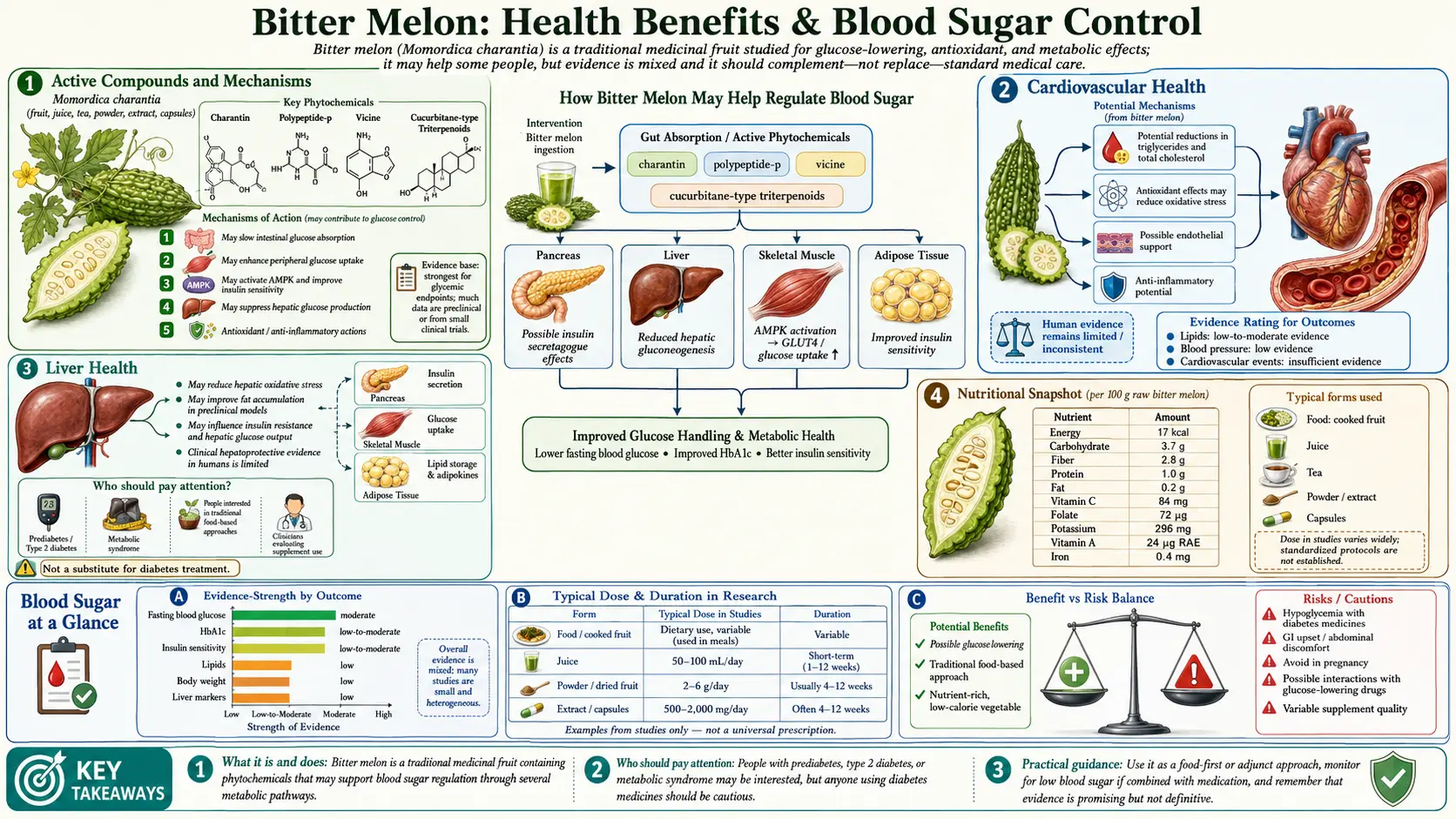
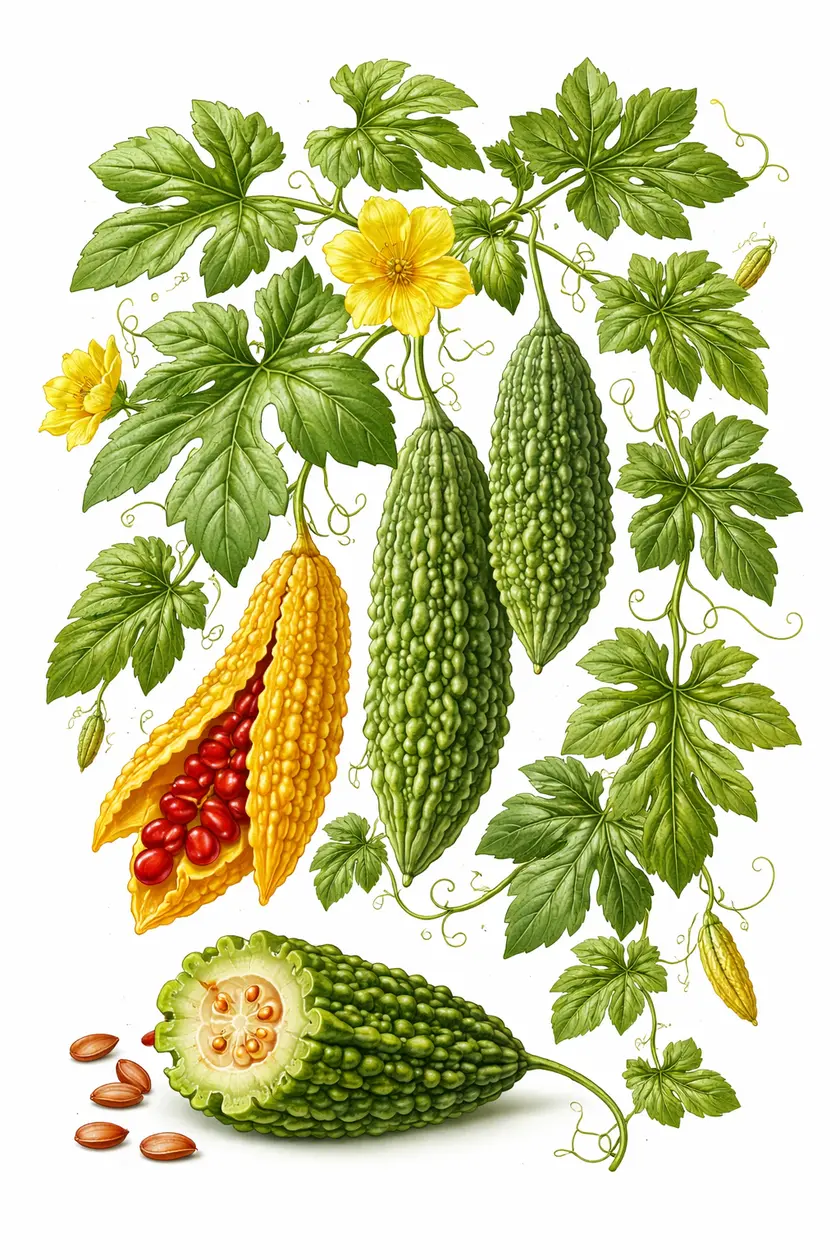
Momordica charantia — bitter melon at various stages of maturity
Bitter melon (Momordica charantia) is a tropical fruit used for centuries in traditional medicine across Asia, Africa, and the Caribbean. Also known as bitter gourd, karela, or balsam pear, this distinctive vegetable-fruit belongs to the Cucurbitaceae family and grows in tropical and subtropical regions worldwide. Modern research has identified over 200 bioactive compounds in bitter melon, validating many of its traditional medicinal uses — particularly its remarkable effects on blood glucose regulation, metabolic health, and cellular protection.
Table of Contents
- Active Compounds and Mechanisms
- Blood Sugar and Diabetes Management
- AMPK Activation: The Metabolic Master Switch
- Clinical Evidence and Human Trials
- Antioxidant and Anti-Inflammatory Benefits
- Cardiovascular Health
- Weight Management and Metabolism
- Cancer Research
- Kidney Health and Nephroprotection
- Digestive Health and Gut Microbiome
- Immune System Support
- Liver Health
- Skin Health
- How to Consume Bitter Melon
- Dosage Guidelines
- Important Precautions
- Nutritional Snapshot
- Key Research Papers and References
- Featured Videos
Active Compounds and Mechanisms
Bitter melon contains at least three major classes of bioactive substances with well-characterized anti-diabetic properties, along with dozens of secondary metabolites that contribute to its broad therapeutic profile:
- Charantin — A steroidal saponin mixture of stigmasteryl glucoside and β-sitosteryl glucoside. Research shows charantin lowers blood glucose through both pancreatic (stimulating beta-cell insulin secretion) and extra-pancreatic mechanisms (enhancing peripheral glucose uptake). Studies suggest charantin may be more potent than the oral hypoglycemic drug tolbutamide.
- Polypeptide-p (Plant Insulin) — A 166-amino-acid insulin-mimetic peptide isolated from bitter melon fruits, seeds, and tissue. Polypeptide-p has been shown to lower blood glucose when injected subcutaneously in both type 1 and type 2 diabetic patients. It acts similarly to bovine insulin but without the immunogenic side effects.
- Vicine — A pyrimidine nucleoside glycoside that contributes to hypoglycemic effects. Vicine stimulates glucose oxidation through the hexose monophosphate shunt pathway in red blood cells and has demonstrated significant blood glucose-lowering effects in fasting animal models.
- Cucurbitane-type triterpenoids — A class of compounds unique to bitter melon that activate AMPK (AMP-activated protein kinase), promoting glucose disposal and fatty acid oxidation. Over 250 cucurbitane glycosides have been isolated from bitter melon.
- MAP30 (Momordica Anti-HIV Protein) — A 30-kDa protein with antiviral and anti-tumor activity. MAP30 inhibits viral replication and has demonstrated activity against HIV, herpes simplex, and certain tumor cell lines in laboratory studies.
- Momordicin and momordicoside — Bitter-tasting compounds with demonstrated anti-inflammatory, anti-parasitic, and immune-modulating properties.
Blood Sugar and Diabetes Management
Bitter melon is perhaps best known for its ability to help regulate blood glucose levels. Its multi-targeted approach acts on several key pathways simultaneously:
Mechanisms of Blood Sugar Regulation
- Increases insulin sensitivity — Enhances insulin receptor substrate-1 (IRS-1) phosphorylation and PI3K/Akt signaling, helping cells respond more effectively to insulin. This effect has been demonstrated in both skeletal muscle and adipose tissue.
- Activates AMPK — The AMP-activated protein kinase acts as a cellular energy sensor, regulating glucose uptake and fatty acid oxidation. Bitter melon's triterpenoids activate AMPK similarly to metformin, promoting GLUT4 translocation to the cell surface for glucose uptake.
- Inhibits alpha-glucosidase — Blocks intestinal enzymes that break down complex carbohydrates into absorbable glucose, slowing post-meal blood sugar spikes. This mechanism is shared with the pharmaceutical drug acarbose.
- Promotes hepatic glucose uptake — Stimulates liver glycogen synthesis and storage, reducing circulating glucose levels. Bitter melon extracts increase the activity of glucokinase, the rate-limiting enzyme for hepatic glucose metabolism.
- Preserves pancreatic beta cells — Animal studies show bitter melon may protect insulin-producing beta cells from oxidative damage and apoptosis, potentially preserving endogenous insulin production in early-stage diabetes.
- Reduces gluconeogenesis — Suppresses the liver's production of new glucose by downregulating phosphoenolpyruvate carboxykinase (PEPCK) and glucose-6-phosphatase gene expression.
- Lowers HbA1c — Clinical trials have shown modest but statistically significant reductions in glycated hemoglobin (HbA1c) markers, reflecting improved long-term glycemic control over 2–3 months.
AMPK Activation: The Metabolic Master Switch
One of the most significant discoveries in bitter melon research was the identification of cucurbitane-type triterpenoids that activate AMP-activated protein kinase (AMPK) — the same metabolic pathway targeted by the widely prescribed diabetes drug metformin.
- Glucose disposal — AMPK activation promotes GLUT4 translocation to the cell membrane, increasing cellular glucose uptake independent of insulin signaling. This is particularly valuable in insulin-resistant states.
- Fatty acid oxidation — AMPK phosphorylates and inactivates acetyl-CoA carboxylase (ACC), removing the brake on mitochondrial fatty acid oxidation. This shifts cellular metabolism toward fat burning.
- Reduced lipogenesis — AMPK suppresses the expression of lipogenic genes including fatty acid synthase (FAS) and sterol regulatory element-binding protein 1c (SREBP-1c), reducing hepatic fat accumulation.
- Enhanced mitochondrial biogenesis — Chronic AMPK activation upregulates PGC-1α, stimulating the production of new mitochondria and improving overall cellular energy capacity.
- Autophagy induction — AMPK activates ULK1 to initiate autophagy, the cellular self-cleaning process that removes damaged organelles and misfolded proteins.
A landmark 2008 study in Chemistry & Biology isolated specific triterpenoids from bitter melon that activate AMPK and stimulate GLUT4 translocation, providing a molecular explanation for bitter melon's centuries-old use as a diabetes remedy.
Clinical Evidence and Human Trials
While traditional use spans millennia, modern clinical trials have begun to quantify bitter melon's effects in controlled settings:
- Metformin comparison trial (2011) — A randomized controlled trial compared bitter melon (2,000 mg/day) to metformin in newly diagnosed type 2 diabetes patients. Bitter melon produced clinically modest but statistically significant reductions in fructosamine levels, suggesting meaningful short-term glycemic improvement.
- Meta-analysis of clinical trials (2019) — A systematic review in the Journal of Ethnopharmacology analyzed multiple RCTs and found modest but consistent reductions in fasting blood glucose across supplementation studies.
- Cochrane Systematic Review (2012) — The Cochrane review evaluated available RCTs and acknowledged bitter melon's hypoglycemic activity while noting the need for larger, higher-quality trials with standardized preparations.
- Glucose tolerance improvement (1981) — A foundational study in the British Medical Journal demonstrated improved glucose tolerance following bitter melon juice consumption — one of the earliest clinical validations of traditional use.
- Adipogenesis inhibition (2010) — Research published in BMC Complementary and Alternative Medicine showed bitter melon extract inhibits primary human adipocyte differentiation by modulating key adipogenic genes (PPARγ, C/EBPα, SREBP-1c).
Important note: Most clinical trials have used relatively small sample sizes (20–50 participants), and dosing, preparation form (juice vs. extract vs. powder), and bioactive compound standardization vary widely across studies. Bitter melon should be considered a complementary approach, not a replacement for standard diabetes care.
Antioxidant and Anti-Inflammatory Benefits
- Rich in vitamin C, vitamin A, and flavonoids — Provides potent free radical scavenging activity. The vitamin C content alone (84 mg per 100g) delivers 93% of the daily value, placing bitter melon among the highest vitamin C sources in the vegetable kingdom.
- Phenolic compounds — Gallic acid, catechin, epicatechin, and chlorogenic acid suppress chronic low-grade inflammation associated with metabolic syndrome, obesity, and type 2 diabetes.
- NF-κB pathway modulation — Bitter melon extracts inhibit the NF-κB signaling cascade, a master regulator of inflammatory gene expression. This reduces production of pro-inflammatory cytokines including TNF-α, IL-1β, and IL-6.
- COX-2 inhibition — Compounds in bitter melon suppress cyclooxygenase-2 (COX-2) enzyme activity, reducing prostaglandin synthesis and inflammation through a mechanism similar to NSAIDs but without gastrointestinal side effects.
- Advanced glycation end-product (AGE) reduction — By improving glycemic control and providing direct antioxidant protection, bitter melon helps reduce the formation of AGEs — toxic compounds that accumulate in diabetic tissues and drive complications.
Cardiovascular Health
- Lowers LDL cholesterol — Animal studies and preliminary human research suggest bitter melon can reduce LDL ("bad") cholesterol levels through inhibition of cholesterol absorption and enhanced bile acid excretion.
- Improves lipid profiles — May raise HDL cholesterol while lowering triglycerides, improving the overall atherogenic index. AMPK activation plays a key role by suppressing hepatic lipogenesis.
- Reduces blood pressure — Potassium content (296 mg/100g) combined with anti-inflammatory and vasodilatory properties may support healthy blood pressure. Some studies suggest bitter melon inhibits angiotensin-converting enzyme (ACE) activity.
- Anti-atherogenic effects — By reducing oxidative stress, LDL oxidation, and inflammatory markers, bitter melon may help prevent the formation and progression of atherosclerotic plaques.
- Endothelial function — Antioxidant compounds in bitter melon help preserve nitric oxide bioavailability, supporting healthy endothelial function and vascular relaxation.
Weight Management and Metabolism
- Low in calories, high in fiber — At only 17 kcal per 100g with 2.8g of fiber, bitter melon promotes satiety and supports healthy weight management without caloric burden.
- Stimulates fat oxidation — AMPK activation shifts cellular metabolism toward fatty acid oxidation, promoting the burning of stored fat for energy rather than glucose.
- Inhibits adipogenesis — Research demonstrates that bitter melon extract downregulates PPARγ and C/EBPα transcription factors, blocking the differentiation of pre-adipocytes into mature fat cells.
- Reduces visceral fat — Animal studies show significant reductions in abdominal visceral fat depots, the most metabolically dangerous form of body fat linked to insulin resistance and cardiovascular disease.
- Enhances thermogenesis — Some evidence suggests bitter melon increases uncoupling protein (UCP) expression in brown adipose tissue, promoting energy expenditure as heat.
Cancer Research
Emerging preclinical research has revealed promising anti-cancer properties of bitter melon across multiple cancer types, though human clinical trials are still needed:
- Breast cancer — A 2010 study in Cancer Research showed bitter melon extract induced apoptosis in breast cancer cells by modulating cell cycle regulatory genes. The extract inhibited proliferation of several breast cancer cell lines including MCF-7 and MDA-MB-231.
- Prostate cancer — Research published in Cancer Prevention Research (2011) demonstrated anti-proliferative effects against prostate cancer cells both in vitro and in the TRAMP mouse model, with significant delays in prostatic intraepithelial neoplasia progression.
- Pancreatic cancer — A 2013 Carcinogenesis study found that bitter melon juice activated AMPK in pancreatic carcinoma cells, leading to apoptotic cell death. This links the same AMPK mechanism responsible for metabolic benefits to potential anti-cancer effects.
- Colon cancer — Bitter melon extracts have shown inhibitory effects on colon cancer cell proliferation through induction of apoptosis and cell cycle arrest at the G2/M phase.
- Anti-angiogenic properties — Bitter melon compounds may inhibit VEGF (vascular endothelial growth factor) signaling, potentially starving tumors of their blood supply.
Important note: These findings are primarily from cell culture and animal studies. While promising, they do not yet constitute evidence for using bitter melon as a cancer treatment. Anyone with cancer should follow their oncologist's treatment plan.
Kidney Health and Nephroprotection
Diabetic nephropathy is one of the most serious complications of chronic hyperglycemia. Several studies suggest bitter melon may offer protective effects for kidney function:
- Reduces kidney damage markers — Animal studies show bitter melon extract significantly reduces blood urea nitrogen (BUN), serum creatinine, and proteinuria in diabetic models, indicating preserved renal function.
- Antioxidant protection — By scavenging reactive oxygen species (ROS) in renal tissue, bitter melon reduces oxidative damage to kidney tubular cells and glomeruli.
- AGE formation inhibition — Bitter melon's glycemic control and direct anti-glycation properties reduce the accumulation of advanced glycation end-products in kidney tissue, a primary driver of diabetic nephropathy.
- Anti-fibrotic effects — Some evidence suggests bitter melon may inhibit TGF-β1 signaling in the kidney, reducing the fibrotic changes that lead to progressive renal failure.
- Improved renal structure — Histological studies in diabetic animal models show bitter melon supplementation preserves normal glomerular architecture and reduces mesangial expansion.
Digestive Health and Gut Microbiome
- Digestive stimulant — Bitter compounds (bitters) in Momordica charantia stimulate the vagus nerve, promoting bile production, gastric acid secretion, and gut motility. This "bitter reflex" is a cornerstone of traditional herbal medicine for digestive complaints.
- Gut microbiome modulation — Bitter melon polysaccharides have been shown to increase populations of beneficial gut bacteria, particularly Lactobacillus and Bifidobacterium species, while suppressing pathogenic bacteria.
- Short-chain fatty acid production — The prebiotic polysaccharides in bitter melon are fermented by colonic bacteria to produce short-chain fatty acids (SCFAs) including butyrate, propionate, and acetate, which nourish colonocytes and reduce gut inflammation.
- Anti-colitis effects — Research has demonstrated that bitter melon polysaccharides ameliorate experimentally induced colitis by reducing inflammatory markers and restoring gut barrier integrity.
- Fiber content — At 2.8g per 100g, bitter melon provides meaningful dietary fiber that supports regular bowel movements and contributes to overall digestive health.
- Anti-parasitic properties — Traditional use includes treatment for intestinal parasites, with some laboratory evidence supporting activity against certain helminths and protozoa.
Immune System Support
- Antiviral properties — MAP30 (Momordica Anti-HIV Protein) has shown activity against HIV, herpes simplex virus, and Epstein-Barr virus in laboratory studies. It acts as a type I ribosome-inactivating protein that can selectively inhibit viral replication.
- Antibacterial effects — Bitter melon extracts have demonstrated inhibition of Escherichia coli, Staphylococcus aureus, Pseudomonas aeruginosa, and Streptococcus species in vitro.
- Natural killer cell activation — Some studies suggest bitter melon enhances the cytotoxic activity of natural killer (NK) cells, a critical first line of defense against viral infections and cancer cells.
- High vitamin C content — With 84 mg per 100g (93% DV), bitter melon provides substantial immune-supporting vitamin C for white blood cell function and antibody production.
- Immunomodulatory balance — Rather than simply stimulating the immune system, bitter melon appears to modulate immune responses — enhancing defense against pathogens while reducing excessive inflammatory reactions.
Liver Health
- Hepatoprotective effects — Bitter melon extracts protect liver cells from damage caused by toxins, alcohol, and oxidative stress by upregulating endogenous antioxidant enzymes (SOD, catalase, glutathione peroxidase).
- Supports detoxification — Enhances Phase I and Phase II liver detoxification enzymes, improving the organ's ability to metabolize and eliminate toxins, drugs, and metabolic waste products.
- Reduces non-alcoholic fatty liver disease (NAFLD) risk — By activating AMPK, bitter melon suppresses hepatic lipogenesis and promotes fatty acid oxidation, directly addressing the lipid accumulation that drives NAFLD.
- Lowers liver enzyme markers — Studies show reductions in serum ALT and AST levels — markers of hepatocellular damage — following bitter melon supplementation in both animal models and preliminary human studies.
- Anti-fibrotic potential — Some research suggests bitter melon inhibits hepatic stellate cell activation and collagen deposition, potentially slowing the progression from fatty liver to fibrosis and cirrhosis.
Skin Health
- Antifungal and antibacterial — Topical application of bitter melon extract may help manage skin infections including fungal conditions like ringworm and athlete's foot.
- Anti-aging potential — Antioxidants including vitamin C, vitamin A, and polyphenols reduce oxidative damage to skin cells, potentially slowing photoaging and wrinkle formation.
- Wound healing — Traditional medicine across Asia uses bitter melon topically for wound healing. Some research supports enhanced collagen synthesis and angiogenesis at wound sites.
- Acne management — Blood-purifying and anti-inflammatory properties may help reduce inflammatory acne by addressing systemic inflammation and bacterial overgrowth.
- Eczema and psoriasis — The anti-inflammatory and immunomodulatory properties of bitter melon suggest potential benefits for inflammatory skin conditions, though clinical evidence remains limited.
How to Consume Bitter Melon
- Fresh juice — Most potent form; drink 50–100 ml daily, often mixed with apple or lemon juice to mitigate the intense bitterness. Best consumed on an empty stomach in the morning.
- Cooked in stir-fries or curries — Common in Asian cuisine (e.g., stir-fried with egg, tofu, or fermented black beans). Cooking reduces some bitterness while preserving many bioactive compounds.
- Tea — Dried slices steeped in hot water for 5–10 minutes. Traditional preparation in Chinese and Ayurvedic medicine. Can be combined with green tea or ginger for enhanced flavor.
- Supplements (capsules/extracts) — Standardized extracts typically provide 500–1,500 mg per serving. Look for products standardized to charantin content. Consult a healthcare provider for appropriate dosing.
- Powdered form — Freeze-dried bitter melon powder can be added to smoothies, juices, or meals. Approximately 1–2 teaspoons daily.
- Tincture — Alcohol-based extracts provide concentrated bioactive compounds. Typical dose is 2–5 ml taken 2–3 times daily before meals.
Dosage Guidelines
Optimal dosing varies by preparation form. The following are commonly studied and traditionally used ranges:
- Fresh fruit/juice: 50–100 ml of fresh juice daily, or one small bitter melon (approximately 50–100g)
- Dried powder: 1–2 g (approximately 1–2 teaspoons) three times daily with meals
- Standardized extract capsules: 500–1,500 mg daily, divided into 2–3 doses
- Tea: 1–2 cups daily, using 3–5 g of dried bitter melon slices per cup
- Clinical trial doses: Most studies have used 2,000–6,000 mg daily of dried fruit powder or 1,000–2,000 mg of standardized extract
Timing: For blood sugar management, consuming bitter melon 30 minutes before meals may maximize its glucose-lowering effect by pre-activating AMPK and alpha-glucosidase inhibition before carbohydrate intake.
Important Precautions
- Hypoglycemia risk — Can lower blood sugar excessively, especially when combined with diabetes medications (insulin, metformin, sulfonylureas). Monitor blood glucose closely and adjust medication doses with medical supervision.
- Not safe during pregnancy — Contains compounds (momorcharin and alpha-momorcharin) that may stimulate uterine contractions and have shown abortifacient effects in animal studies. Avoid completely during pregnancy.
- Drug interactions — May interact with insulin, metformin, sulfonylureas, thiazolidinediones, and other hypoglycemic drugs. Also potential interactions with anticoagulants due to vitamin K content.
- Seeds are toxic in large amounts — The red aril surrounding the seeds contains toxic lectins (vicine) that can cause favism-like hemolytic anemia, particularly in individuals with G6PD deficiency.
- Gastrointestinal effects — High doses may cause diarrhea, abdominal pain, or nausea. Start with small doses and increase gradually.
- Liver toxicity at extreme doses — While hepatoprotective at normal doses, extremely high doses of bitter melon extract have caused hepatotoxicity in some animal studies.
- Consult your doctor — Before using as a supplement, particularly if you are diabetic, pregnant, nursing, or taking prescription medications.
Nutritional Snapshot (per 100g raw bitter melon)
- Calories: ~17 kcal
- Carbohydrates: ~3.7 g
- Fiber: ~2.8 g
- Protein: ~1.0 g
- Fat: ~0.17 g
- Vitamin C: ~84 mg (93% DV)
- Vitamin A: ~471 IU (9% DV)
- Folate: ~72 mcg (18% DV)
- Potassium: ~296 mg (8% DV)
- Iron: ~0.43 mg (2% DV)
- Zinc: ~0.80 mg (7% DV)
- Magnesium: ~17 mg (4% DV)
- Phosphorus: ~31 mg (4% DV)
Key Research Papers and References
- Ooi CP, Yassin Z, Hamid TA. Momordica charantia for type 2 diabetes mellitus. Cochrane Database of Systematic Reviews. 2012. — Search PubMed
- Peter EL, Kasali FM, Deyno S, et al. Efficacy of Momordica charantia in the management of diabetes mellitus: a systematic review and meta-analysis. Journal of Ethnopharmacology. 2019;237:67-76. — Search PubMed
- Fuangchan A, Sonthisombat P, Seubnukarn T, et al. Hypoglycemic effect of bitter melon compared with metformin in newly diagnosed type 2 diabetes patients. Journal of Ethnopharmacology. 2011;134(2):422-428. PubMed
- Tan MJ, Ye JM, Turner N, et al. Antidiabetic activities of triterpenoids isolated from bitter melon associated with activation of the AMPK pathway. Chemistry & Biology. 2008;15(3):263-273. — Search PubMed
- Leatherdale BA, Panesar RK, Singh G, et al. Improvement in glucose tolerance due to Momordica charantia (karela). British Medical Journal (Clinical Research Ed.) 1981;282(6279):1823-1824. — Search PubMed
- Nerurkar PV, Lee YK, Nerurkar VR. Momordica charantia (bitter melon) inhibits primary human adipocyte differentiation by modulating adipogenic genes. BMC Complementary and Alternative Medicine. 2010;10:34. — Search PubMed
- Ray RB, Raychoudhuri A, Steele R, Nerurkar P. Bitter melon (Momordica charantia) extract inhibits breast cancer cell proliferation by modulating cell cycle regulatory genes and promotes apoptosis. Cancer Research. 2010;70(5):1925-1931. PubMed
- Ru P, Steele R, Nerurkar PV, Phillips N, Ray RB. Bitter melon extract impairs prostate cancer cell-cycle progression and delays prostatic intraepithelial neoplasia in TRAMP model. Cancer Prevention Research. 2011;4(12):2122-2130. — Search PubMed
- Kaur M, Deep G, Jain AK, et al. Bitter melon juice activates cellular energy sensor AMP-activated protein kinase causing apoptotic death of human pancreatic carcinoma cells. Carcinogenesis. 2013;34(7):1585-1592. — Search PubMed
- Fernandes NP, Lagishetty CV, Panda VS, Naik SR. An experimental evaluation of the antidiabetic and antilipidemic properties of a standardized Momordica charantia fruit extract. BMC Complementary and Alternative Medicine. 2007;7:29. — Search PubMed
- Dans AM, Villarruz MV, Jimeno CA, et al. The effect of Momordica charantia capsule preparation on glycemic control in type 2 diabetes mellitus needs further studies. Journal of Clinical Epidemiology. 2007;60(6):554-559. — Search PubMed
- Joseph B, Jini D. Antidiabetic effects of Momordica charantia (bitter melon) and its medicinal potency. Asian Pacific Journal of Tropical Disease. 2013;3(2):93-102. — Search PubMed
Research Papers
- Clinical trials on bitter melon & blood sugar — PubMed search
- Systematic reviews of bitter melon & blood sugar — PubMed search
- Meta-analyses on bitter melon & blood sugar — PubMed search
- Treatment research on bitter melon & blood sugar — PubMed search
- Mechanism studies of bitter melon & blood sugar — PubMed search
- Epidemiology of bitter melon & blood sugar — PubMed search
Connections
- All Remedies
- Frederick Banting — insulin's co-discoverer and the history of glucose management
- Cinnamon
- Fasting
- Magnesium
- Berberine
- Chromium
- Fenugreek
- GLP-1 Receptor Agonists
- Anti-Inflammatory Diet
- Diabetes
- Coffee and Type 2 Diabetes
- Bitter Melon
- Metabolic Syndrome
- Obesity
- Hemoglobin A1C
- Fasting Insulin
- Resistant Starches and Gut Microbiome
- Turmeric
- Garlic