Vitamin B6 (Pyridoxine): The Neurotransmitter and Metabolism Maestro
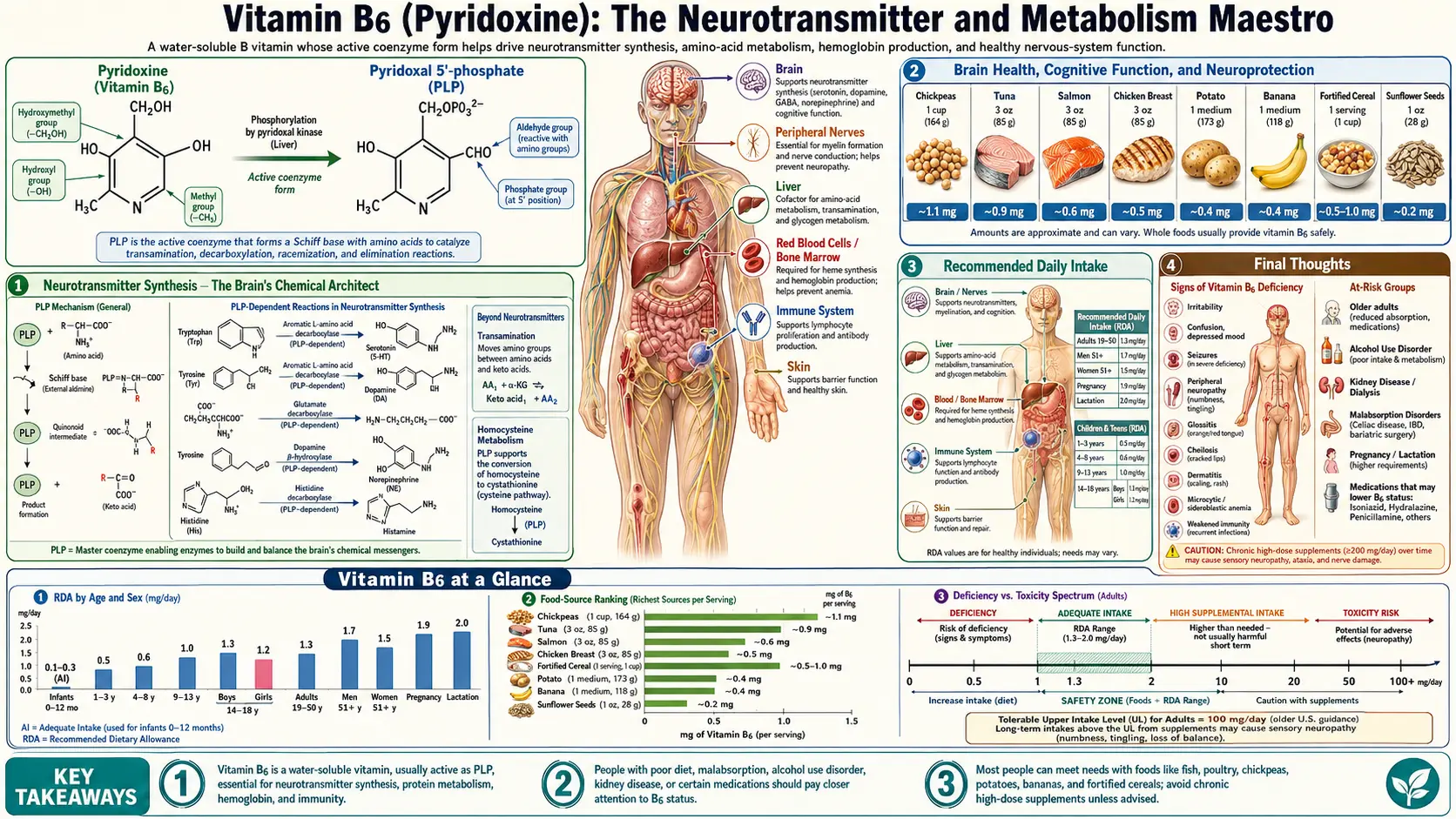
Vitamin B6 is a water-soluble vitamin that exists in three natural forms — pyridoxine, pyridoxal, and pyridoxamine — all of which are converted in the body to its metabolically active coenzyme form, pyridoxal 5'-phosphate (PLP). In natural medicine, B6 is regarded as one of the most versatile and hardest-working vitamins in the human body, participating in over 150 enzymatic reactions — more than any other single vitamin. It is the master regulator of amino acid metabolism, the architect of neurotransmitter synthesis, and a critical player in immune function, hormonal balance, cardiovascular protection, and detoxification. Few nutrients touch as many aspects of health as profoundly as Vitamin B6.
Interactive Visualization The Methylation Cycle — hand off a methyl group Watch folate and B12 recycle homocysteine into methionine — then knock out B12 and see the folate trap slam shut. Launch → Interactive Visualization Enzymes: How They Speed Up Life Drop a substrate into an enzyme's active site and watch induced-fit catalysis fly — then heat it, swing the pH, or add an inhibitor and watch it stall. Many enzymes need a vitamin or mineral cofactor. Launch →Table of Contents
- Neurotransmitter Synthesis — The Brain's Chemical Architect
- Amino Acid and Protein Metabolism
- Cardiovascular Health — Homocysteine Regulation
- Immune System Function
- Women's Health and Hormonal Balance
- Blood Sugar Regulation and Diabetes Support
- Red Blood Cell Formation and Hemoglobin Synthesis
- Brain Health, Cognitive Function, and Neuroprotection
- Inflammation and Chronic Disease
- Kidney Health and Oxalate Metabolism
- Detoxification and Liver Support
- Carpal Tunnel Syndrome
- Natural Food Sources
- Recommended Daily Intake
- Supplemental Forms
- Synergistic Nutrients
- Populations at Higher Risk of Deficiency
- Signs of Deficiency
- Toxicity and Safety Considerations
- Special Therapeutic Applications
- Connections
- Featured Videos
1. Neurotransmitter Synthesis — The Brain's Chemical Architect
Perhaps the most celebrated role of Vitamin B6 in natural medicine is its absolute requirement for the synthesis of virtually every major neurotransmitter in the brain and nervous system.
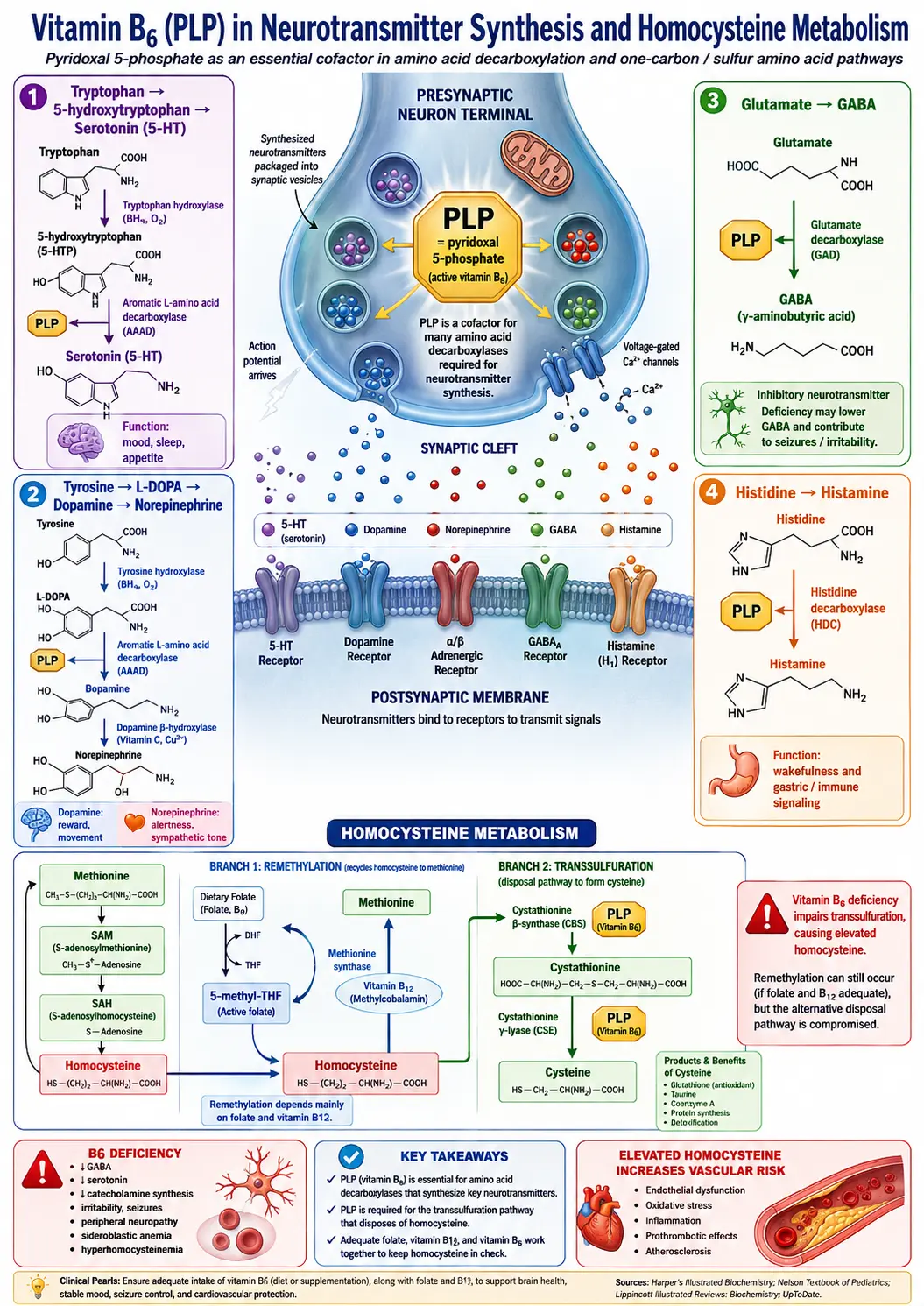
- Serotonin: PLP is the essential cofactor for the enzyme tryptophan decarboxylase, which converts 5-hydroxytryptophan (5-HTP) into serotonin. Serotonin governs mood, emotional stability, appetite, sleep, and feelings of well-being. B6 deficiency directly impairs serotonin production, contributing to depression, anxiety, irritability, and insomnia.
- Dopamine: B6 is required for the conversion of L-DOPA into dopamine — the neurotransmitter responsible for motivation, reward, pleasure, focus, and motor control. Low dopamine is implicated in depression, attention disorders, and Parkinson's disease.
- GABA (Gamma-Aminobutyric Acid): PLP is the cofactor for glutamic acid decarboxylase (GAD), the enzyme that converts glutamate into GABA — the brain's primary inhibitory (calming) neurotransmitter. Inadequate B6 leads to GABA deficiency, manifesting as anxiety, panic, restlessness, insomnia, and an overactive nervous system.
- Norepinephrine and Epinephrine: B6 participates in the conversion of dopamine into norepinephrine and subsequently epinephrine — the catecholamines responsible for alertness, focus, and the acute stress response.
- Histamine: PLP is required for the enzyme histidine decarboxylase, which produces histamine. While histamine is often associated with allergic reactions, it also functions as a neurotransmitter involved in wakefulness, gastric acid secretion, and immune regulation.
- Melatonin: Serotonin is the precursor to melatonin, the sleep hormone. Because B6 is required for serotonin synthesis, it indirectly supports melatonin production and healthy circadian rhythm regulation.
2. Amino Acid and Protein Metabolism
Vitamin B6 is the single most important vitamin for amino acid metabolism, serving as a cofactor in the vast majority of reactions involving amino acids.
- Transamination: PLP is required for transamination reactions — the process by which amino groups are transferred between amino acids, allowing the body to build the specific amino acids it needs from dietary protein. Without B6, the body cannot efficiently rearrange and utilize amino acids.
- Decarboxylation: PLP-dependent decarboxylation reactions are responsible for producing biologically active amines from amino acids, including neurotransmitters (serotonin, dopamine, GABA, histamine) and other critical molecules.
- Transsulfuration: B6 is required for the transsulfuration pathway, which converts homocysteine into cysteine — a precursor to glutathione, the body's master antioxidant. This pathway is critical for both detoxification and cardiovascular protection.
- Tryptophan Metabolism: PLP participates in multiple steps of the kynurenine pathway — the primary route of tryptophan degradation — which produces niacin (Vitamin B3), quinolinic acid, and other neuroactive metabolites. Dysregulation of this pathway is implicated in depression, neuroinflammation, and neurodegeneration.
- Glycine and Serine Interconversion: B6 is required for the interconversion of glycine and serine, two amino acids critical for collagen synthesis, neurotransmission, creatine production, and methylation reactions.
- Protein Utilization: Individuals consuming high-protein diets have increased B6 requirements, as more PLP is needed to process the greater volume of amino acids entering the metabolic pool.
3. Cardiovascular Health — Homocysteine Regulation
Vitamin B6, alongside folate and B12, forms the critical triad responsible for keeping homocysteine levels in check — a cornerstone of natural cardiovascular protection.
- Homocysteine Clearance: PLP is the cofactor for cystathionine beta-synthase (CBS) and cystathionine gamma-lyase — the two enzymes of the transsulfuration pathway that irreversibly convert homocysteine into cysteine. This is the body's primary route for eliminating excess homocysteine.
- Cardiovascular Risk Reduction: Elevated homocysteine is an independent risk factor for atherosclerosis, heart attack, stroke, peripheral vascular disease, and blood clot formation. Adequate B6, in combination with folate and B12, is essential for maintaining homocysteine within safe levels.
- Endothelial Protection: Homocysteine damages the delicate endothelial lining of blood vessels, promoting plaque formation and arterial stiffness. By reducing homocysteine, B6 protects vascular integrity.
- Blood Clot Prevention: Elevated homocysteine increases platelet aggregation and the tendency toward thrombosis. B6 helps maintain healthy blood flow and reduces clotting risk.
- Inflammation Reduction: Low B6 status is independently associated with elevated inflammatory markers (C-reactive protein, IL-6), and supplementation has been shown to reduce systemic inflammation — a primary driver of cardiovascular disease.
4. Immune System Function
Vitamin B6 is one of the most important nutrients for robust immune defense, influencing both innate and adaptive immunity.
- Lymphocyte Production: PLP is required for the proliferation and differentiation of lymphocytes (T-cells and B-cells), the cornerstone cells of adaptive immunity. B6 deficiency markedly suppresses lymphocyte counts and function.
- Antibody Synthesis: B6 supports the production of immunoglobulins (antibodies), which recognize and neutralize pathogens, toxins, and foreign substances.
- Cytokine Regulation: PLP modulates the production of cytokines — the signaling molecules that coordinate the immune response. Adequate B6 promotes balanced cytokine production, preventing both immunosuppression and excessive inflammatory responses.
- Interleukin-2 Production: B6 supports the synthesis of interleukin-2 (IL-2), a critical growth factor for T-cell expansion during immune challenges.
- Natural Killer Cell Activity: NK cells, which identify and destroy virally infected cells and cancer cells, depend on B6 for optimal activity.
- Thymus Gland Support: The thymus, where T-cells mature, is particularly sensitive to B6 status. Deficiency leads to thymic atrophy and impaired T-cell development.
- Elderly Immune Decline: Age-related decline in immune function (immunosenescence) is closely correlated with declining B6 status. Supplementation in older adults has been shown to improve immune markers.
5. Women's Health and Hormonal Balance
Vitamin B6 holds a special place in natural medicine as a cornerstone nutrient for women's hormonal health throughout all stages of life.
- Premenstrual Syndrome (PMS): B6 is one of the most widely studied and clinically effective natural treatments for PMS. It alleviates mood swings, irritability, breast tenderness, bloating, and depression associated with the premenstrual phase by supporting serotonin and dopamine synthesis and by modulating estrogen and progesterone metabolism.
- Estrogen Metabolism: PLP supports the hepatic metabolism and clearance of estrogen, helping prevent estrogen dominance — a condition linked to PMS, fibroids, endometriosis, breast tenderness, and increased cancer risk.
- Morning Sickness (Nausea and Vomiting of Pregnancy): B6 (pyridoxine) at doses of 25–75 mg daily is one of the first-line treatments recommended for pregnancy-related nausea and vomiting. It is considered safe and effective, often in combination with ginger or doxylamine.
- Prolactin Regulation: B6 supports dopamine production, which in turn inhibits excess prolactin secretion. Elevated prolactin can cause irregular periods, infertility, and breast discharge.
- Oral Contraceptive Depletion: Hormonal birth control is well documented to deplete Vitamin B6, leading to mood disturbances, depression, and reduced serotonin levels. Women on oral contraceptives should supplement B6 as a matter of course.
- Menopause Support: B6 may help alleviate menopausal symptoms including mood changes, cognitive fog, and sleep disturbances through its role in neurotransmitter synthesis and hormonal metabolism.
- Fertility: By supporting progesterone levels, estrogen clearance, and overall hormonal balance, B6 contributes to a favorable hormonal environment for conception.
6. Blood Sugar Regulation and Diabetes Support
- Glycogen Metabolism: PLP is the cofactor for glycogen phosphorylase, the enzyme that breaks down stored glycogen into glucose for energy when blood sugar drops. This is critical for maintaining stable blood glucose levels between meals and during physical activity.
- Gluconeogenesis: B6 supports the transamination reactions required for gluconeogenesis — the production of new glucose from amino acids and other non-carbohydrate sources in the liver.
- Insulin Sensitivity: Low B6 status has been associated with impaired glucose tolerance and insulin resistance. Supplementation may improve insulin sensitivity and glycemic control.
- Gestational Diabetes: Adequate B6 during pregnancy may help reduce the risk of gestational diabetes through its roles in glucose metabolism and inflammation reduction.
- Diabetic Neuropathy: B6 deficiency exacerbates diabetic nerve damage, and supplementation (within safe limits) may help protect against or alleviate peripheral neuropathy in diabetic individuals.
- Advanced Glycation End Products (AGEs): PLP has been shown to inhibit the formation of AGEs — harmful compounds formed when sugars bind to proteins — which contribute to diabetic complications affecting the eyes, kidneys, nerves, and blood vessels.
7. Red Blood Cell Formation and Hemoglobin Synthesis
- Heme Synthesis: PLP is the essential cofactor for aminolevulinic acid synthase (ALAS), the first and rate-limiting enzyme in heme biosynthesis. Heme is the iron-containing molecule at the core of hemoglobin that carries oxygen in the blood. Without adequate B6, the body cannot produce hemoglobin efficiently.
- Sideroblastic Anemia: B6 deficiency causes a specific form of anemia called sideroblastic anemia, characterized by the accumulation of iron-laden ring sideroblasts in the bone marrow — the body has iron available but cannot incorporate it into hemoglobin without PLP.
- Oxygen Delivery: By supporting hemoglobin synthesis, B6 ensures adequate oxygen delivery to every cell, tissue, and organ — a prerequisite for energy production, brain function, and physical performance.
- Iron Utilization: B6 works in concert with iron and riboflavin (B2) to ensure that dietary and supplemental iron is properly utilized for red blood cell production rather than accumulating as unusable deposits.
8. Brain Health, Cognitive Function, and Neuroprotection
- Cognitive Preservation: Adequate B6 status is strongly associated with better cognitive performance, sharper memory, and reduced risk of cognitive decline with aging. Low PLP levels are found consistently in individuals with Alzheimer's disease and other dementias.
- Homocysteine and Brain Health: Elevated homocysteine (due to B6, folate, and/or B12 deficiency) is neurotoxic and is independently associated with brain atrophy, cognitive decline, and increased dementia risk. B6 helps protect the brain by maintaining low homocysteine levels.
- Neuroplasticity: B6 supports the synthesis of sphingolipids and phospholipids that form neuronal membranes, contributing to synaptic plasticity and healthy neural communication.
- Seizure Prevention: In rare cases of pyridoxine-dependent epilepsy (a genetic condition), high-dose B6 is the only effective treatment. More broadly, B6's role in GABA production supports a healthy excitatory/inhibitory balance in the brain, protecting against seizure activity.
- Dream Recall: Anecdotally and in limited research, B6 supplementation (particularly before bed) has been associated with increased dream vividness and recall, likely through its effects on neurotransmitter metabolism during REM sleep.
9. Inflammation and Chronic Disease
- Anti-Inflammatory Effects: Low B6 status is one of the strongest nutritional predictors of elevated C-reactive protein (CRP) and other inflammatory markers. Inflammation chronically consumes PLP, creating a vicious cycle of depletion and escalating inflammation.
- Rheumatoid Arthritis: Individuals with rheumatoid arthritis consistently show lower B6 levels than healthy controls. The chronic inflammation characteristic of RA depletes PLP, and supplementation may help reduce inflammatory markers and disease activity.
- Inflammatory Bowel Disease: Patients with Crohn's disease and ulcerative colitis are frequently B6-deficient due to malabsorption and inflammation-driven depletion. Repletion supports gut healing and immune modulation.
- Cancer Risk: Several large epidemiological studies have found an inverse relationship between B6 status and the risk of certain cancers, particularly colorectal cancer. While B6 is not a treatment for cancer, adequate levels appear to offer protective benefits through anti-inflammatory and immune-supportive mechanisms.
- Cardiovascular Inflammation: By reducing CRP, IL-6, and homocysteine simultaneously, B6 addresses multiple inflammatory pathways that drive atherosclerosis and cardiovascular events.
10. Kidney Health and Oxalate Metabolism
- Oxalate Reduction: PLP is the cofactor for alanine-glyoxylate aminotransferase (AGT), the enzyme that converts glyoxylate into glycine rather than oxalate. Adequate B6 promotes the glycine pathway, reducing endogenous oxalate production and lowering the risk of calcium oxalate kidney stones.
- Primary Hyperoxaluria: In certain genetic forms of hyperoxaluria (especially Type 1), high-dose pyridoxine is a primary therapeutic intervention that can dramatically reduce urinary oxalate excretion and prevent kidney damage.
- Recurrent Kidney Stone Prevention: Natural practitioners frequently recommend B6 supplementation alongside magnesium for individuals with a history of recurrent calcium oxalate kidney stones.
- Kidney Protection: By reducing both oxalate levels and homocysteine (which damages renal vasculature), B6 offers dual protective benefits for long-term kidney health.
11. Detoxification and Liver Support
- Transsulfuration Pathway: B6 is essential for converting homocysteine to cysteine through the transsulfuration pathway. Cysteine is the rate-limiting amino acid for the synthesis of glutathione — the body's master antioxidant and the central molecule of Phase II liver detoxification.
- Taurine Synthesis: PLP supports the conversion of cysteine into taurine, a sulfur amino acid critical for bile acid conjugation, liver detoxification, cardiovascular protection, and neurological function.
- Phase I and Phase II Balance: By supporting glutathione and taurine production, B6 helps maintain the balance between Phase I activation and Phase II conjugation in liver detoxification — preventing the accumulation of toxic intermediates.
- Histamine Degradation: PLP supports the enzyme diamine oxidase (DAO) indirectly through its role in amino acid metabolism, contributing to histamine clearance in the gut — relevant for individuals with histamine intolerance.
12. Carpal Tunnel Syndrome
- Historical Use: Vitamin B6 has been used in natural and integrative medicine for decades to treat carpal tunnel syndrome (CTS), with many practitioners reporting significant improvement in symptoms including pain, numbness, tingling, and weakness in the hands.
- Mechanism: While the exact mechanism remains debated, B6 may benefit CTS through its role in nerve health, neurotransmitter function, anti-inflammatory effects, and the maintenance of the synovial lining surrounding tendons.
- Typical Protocol: Doses of 50–200 mg daily for 6–12 weeks are commonly employed, often in combination with other anti-inflammatory nutrients and ergonomic modifications.
- Nerve Repair: B6's broader neuroprotective and nerve-supportive properties likely contribute to its clinical benefits in compression neuropathies like CTS.
13. Natural Food Sources
Vitamin B6 is found in a wide variety of whole foods. The bioavailability varies between plant and animal sources, with animal-derived pyridoxal and pyridoxamine generally being more readily absorbed than the pyridoxine glucoside form found in many plant foods.
Richest Whole Food Sources
- Turkey and Chicken Breast (pasture-raised): Among the most concentrated dietary sources of highly bioavailable B6
- Wild-Caught Salmon and Tuna: Excellent sources providing B6 alongside omega-3 fatty acids
- Beef Liver and Organ Meats: Extraordinarily nutrient-dense, providing B6 along with the full spectrum of B vitamins and minerals
- Pistachios: The richest nut source of Vitamin B6 — a convenient, delicious snack
- Sunflower Seeds: A versatile plant-based source rich in B6, magnesium, and vitamin E
- Bananas: A well-known and accessible source of B6, especially when ripe
- Chickpeas (Garbanzo Beans): One of the best legume sources of B6 and the basis of hummus
- Potatoes and Sweet Potatoes: Provide significant B6 when consumed with the skin intact
- Avocados: Rich in B6 along with healthy fats, potassium, and fiber
- Spinach and Dark Leafy Greens: Provide B6 alongside iron, folate, and magnesium
- Prunes and Dried Fruits: Concentrated sources of B6 with natural sweetness
- Nutritional Yeast: A plant-based B-vitamin powerhouse, particularly valued by those on plant-based diets
Bioavailability Considerations
- Plant vs. Animal Sources: Up to 75% of the B6 in some plant foods exists as pyridoxine glucoside, which has approximately 50% lower bioavailability than the forms found in animal foods. Individuals relying solely on plant-based B6 sources may need to consume larger quantities.
- Cooking Losses: B6 is moderately sensitive to heat. Prolonged cooking, canning, and high-temperature processing can destroy 20–50% of the B6 content. Gentle cooking methods like steaming and stir-frying preserve more of the vitamin.
- Freezing: Freezing causes relatively modest losses of B6 compared to other processing methods, making frozen produce a reasonable alternative when fresh is unavailable.
14. Recommended Daily Intake
The following are general guidelines measured in milligrams (mg):
- Adults (19–50 years): 1.3 mg per day
- Men (51+ years): 1.7 mg per day
- Women (51+ years): 1.5 mg per day
- Pregnant Women: 1.9 mg per day
- Breastfeeding Women: 2.0 mg per day
- Children (4–8 years): 0.6 mg per day
- Children (9–13 years): 1.0 mg per day
Therapeutic Doses: In natural medicine practice, therapeutic doses typically range from 25–100 mg daily for conditions such as PMS, morning sickness, carpal tunnel syndrome, and mood support. The Tolerable Upper Intake Level (UL) is set at 100 mg/day for adults, based on the risk of sensory neuropathy at chronic high doses. Doses exceeding 200 mg/day for prolonged periods should be supervised by a practitioner and monitored for signs of peripheral neuropathy.
15. Supplemental Forms
- Pyridoxine Hydrochloride (Pyridoxine HCl): The most common and affordable supplemental form. It must be converted in the liver to the active form PLP. Effective for most individuals at standard and moderate therapeutic doses.
- Pyridoxal 5'-Phosphate (P5P / PLP): The biologically active coenzyme form that bypasses the need for hepatic conversion. Preferred by natural practitioners for individuals with liver dysfunction, genetic polymorphisms affecting conversion, or those who do not respond well to pyridoxine HCl. P5P is generally considered to carry a lower risk of neuropathy at higher doses compared to pyridoxine.
- Pyridoxamine: A naturally occurring form found in animal foods. Available as a supplement, it is being studied for its ability to inhibit Advanced Glycation End Products (AGEs), making it of particular interest in diabetes and aging research.
- Whole Food B-Complex: As with all B vitamins, natural practitioners strongly recommend taking B6 as part of a complete B-complex to prevent imbalances. B6 in isolation at high doses can deplete other B vitamins over time.
16. Synergistic Nutrients
Vitamin B6 is deeply interconnected with numerous other nutrients:
- Vitamin B2 (Riboflavin): Riboflavin (as FMN) is required for the enzyme that converts pyridoxine into its active form PLP. Without adequate B2, supplemental B6 cannot be properly activated — a critically important and frequently overlooked connection.
- Folate (B9) and Vitamin B12: B6, folate, and B12 form the essential triad for homocysteine metabolism. All three must be adequate for optimal cardiovascular and neurological protection.
- Magnesium: Magnesium and B6 work synergistically in the nervous system and are frequently combined for anxiety, PMS, migraines, and muscle cramps. B6 also enhances magnesium absorption and intracellular uptake.
- Zinc: B6 enhances zinc absorption from the intestinal tract. Both nutrients are critical for immune function, skin health, and neurotransmitter synthesis.
- Vitamin B3 (Niacin): B6 is required for the conversion of tryptophan into niacin via the kynurenine pathway. B6 deficiency can therefore contribute to functional B3 deficiency.
- Iron: B6 is essential for heme synthesis and hemoglobin production, working alongside iron to ensure adequate red blood cell formation and oxygen transport.
- Vitamin C: Both B6 and Vitamin C support adrenal function, immune defense, and collagen synthesis. They complement each other in comprehensive stress-support protocols.
17. Populations at Higher Risk of Deficiency
- Women on Oral Contraceptives: Hormonal birth control is one of the most well-documented causes of B6 depletion, leading to depression, mood changes, and reduced serotonin production in many women.
- Pregnant and Breastfeeding Women: Increased metabolic demands, combined with the use of B6 for morning sickness management, raise requirements significantly.
- Elderly Individuals: B6 deficiency is strikingly common among older adults due to reduced dietary intake, impaired absorption, increased inflammation (which depletes PLP), and medication interactions.
- Individuals with Autoimmune and Inflammatory Conditions: Chronic inflammation consumes PLP at an accelerated rate, creating deficiency even when dietary intake appears adequate. This is seen in rheumatoid arthritis, IBD, celiac disease, and lupus.
- Individuals with Alcohol Use Disorders: Alcohol and its metabolite acetaldehyde directly displace PLP from its binding proteins and accelerate its degradation, making alcoholism a major risk factor for B6 deficiency.
- Individuals with Kidney Disease: Impaired renal function and dialysis both deplete B6, and supplementation is routinely recommended for dialysis patients.
- Individuals on Certain Medications: Isoniazid (tuberculosis drug), penicillamine, hydralazine, theophylline, and anticonvulsants all interfere with B6 metabolism or increase its excretion.
- Individuals with High Protein Intake: Greater protein consumption increases the demand for PLP-dependent transamination reactions, raising B6 requirements proportionally.
- Individuals with MTHFR or CBS Polymorphisms: Genetic variants affecting homocysteine metabolism may increase the functional demand for B6 in the transsulfuration pathway.
18. Signs of Deficiency
Because B6 participates in over 150 enzymatic reactions, deficiency manifests across multiple systems at once — mood disturbances (depression, anxiety, irritability), peripheral neuropathy, a sore swollen tongue, cracked lips, seborrheic skin rashes, weakened immunity, sideroblastic anemia, and in severe cases seizures. It is especially common among women on hormonal contraceptives, the elderly, and those with chronic inflammation.
For a full, patient-friendly guide to the symptoms, causes, and treatment, see Vitamin B6 Deficiency.
19. Toxicity and Safety Considerations
Unlike most water-soluble vitamins, Vitamin B6 carries a meaningful risk of toxicity at high doses. Chronic intake of pyridoxine above roughly 200–500 mg daily can paradoxically cause peripheral sensory neuropathy — numbness, tingling, and loss of coordination — usually reversible once the supplement is stopped. The Tolerable Upper Intake Level is 100 mg/day for adults; the active P5P form appears safer at higher therapeutic doses.
For a full, patient-friendly guide to the symptoms, causes, and risks, see Vitamin B6 Toxicity.
20. Special Therapeutic Applications
Natural medicine practitioners employ Vitamin B6 in numerous targeted therapeutic contexts:
- PMS and PMDD: 50–100 mg daily throughout the cycle or during the luteal phase, often combined with magnesium, to reduce mood symptoms, bloating, and breast tenderness.
- Morning Sickness: 25–75 mg daily in divided doses, alone or combined with ginger, as a first-line natural treatment for pregnancy nausea.
- Depression and Anxiety: 25–50 mg of P5P daily as part of a comprehensive mood-support protocol including folate, B12, magnesium, and omega-3 fatty acids.
- Carpal Tunnel Syndrome: 50–200 mg daily for 6–12 weeks, monitoring for neuropathy symptoms at higher doses.
- Kidney Stone Prevention: 25–50 mg daily combined with magnesium citrate for individuals with recurrent calcium oxalate stones.
- Homocysteine Reduction: In combination with methylfolate and methylcobalamin for cardiovascular and neurological protection.
- Autism Spectrum Support: Some integrative practitioners include P5P in nutrient protocols for neurodevelopmental conditions, given B6's critical role in neurotransmitter synthesis and methylation.
- Histamine Intolerance: B6 supports the DAO enzyme and histamine degradation pathways, and is included in many natural protocols for histamine-related conditions.
Final Thoughts
Vitamin B6 is arguably the most metabolically active vitamin in the human body — a tireless workhorse that touches neurotransmitter synthesis, amino acid metabolism, immune defense, hormonal balance, cardiovascular protection, blood sugar regulation, detoxification, and inflammation control. Its deficiency is alarmingly common, particularly among women on hormonal contraceptives, the elderly, those with chronic inflammation, and individuals under sustained stress. In natural medicine, B6 — ideally in its active P5P form — is a foundational nutrient that belongs in virtually every therapeutic protocol. Yet its power must be respected: unlike most water-soluble vitamins, high-dose pyridoxine can cause harm, making proper form selection, dosing, and monitoring essential.
Give your body the molecular key to unlock its neurotransmitters, clear its toxins, and fortify its defenses — and Vitamin B6 will orchestrate a symphony of health from the inside out.
Connections
- All Vitamins
- Enzymes: How They Speed Up Life — interactive animation
- The Methylation Cycle & Homocysteine — interactive animation
- Vitamin B6 Deficiency
- Vitamin B6 Toxicity
- Homocysteine
- Depression
- Magnesium
- Iron
- Anxiety
- Vitamin B12
- Vitamin B9
- Vitamin B6 and Homocysteine
- Pyridoxine and Brain Health
- Tryptophan
- Glycine
- Carpal Tunnel Syndrome
- Insomnia
- Anemia
- Vitamin B3
- Zinc
- Peripheral Neuropathy
- Omega-3 Fatty Acids