Vitamin B7 (Biotin): The Beauty, Blood Sugar, and Gene Expression Vitamin
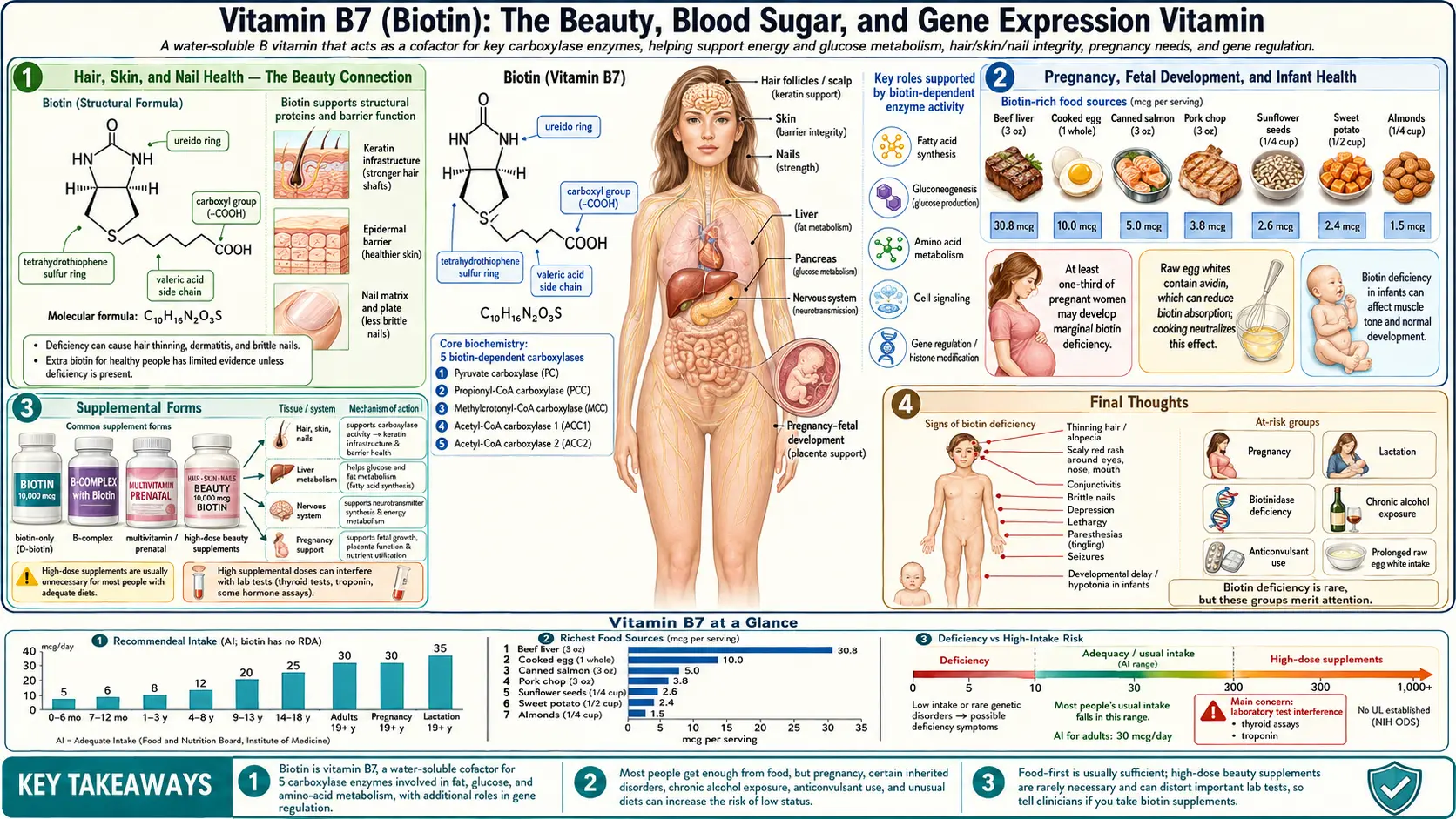
Vitamin B7, universally known as biotin, is a water-soluble B vitamin that has earned widespread fame as the "beauty vitamin" for its association with healthy hair, skin, and nails. However, biotin's true biological significance runs far deeper than cosmetics. It is an essential cofactor for five critical carboxylase enzymes that govern fatty acid synthesis, amino acid metabolism, gluconeogenesis, and — most remarkably — the regulation of gene expression itself. In natural medicine, biotin is valued not only for its beauty-enhancing properties but for its profound roles in blood sugar regulation, neurological health, fetal development, and cellular metabolism. The name "biotin" derives from the Greek word "biotos" meaning "life" — a reflection of its indispensable role in sustaining fundamental life processes.
Interactive Visualization Hair Growth & Loss — shrink a follicle with DHT, or shed on a three-month delay Cycle a scalp of follicles through anagen, catagen and telogen, then miniaturize them with DHT year by year — or dump them all into shedding three months after a stressor. Launch →Table of Contents
- Hair, Skin, and Nail Health — The Beauty Connection
- Blood Sugar Regulation and Diabetes Support
- Fatty Acid Synthesis and Lipid Metabolism
- Gene Expression and Epigenetic Regulation
- Energy Metabolism — The Carboxylase Enzymes
- Neurological Health and Brain Function
- Pregnancy, Fetal Development, and Infant Health
- Immune System Modulation
- Cardiovascular and Metabolic Health
- Muscle Function and Athletic Performance
- Gut Health and the Microbiome Connection
- Natural Food Sources
- Recommended Daily Intake
- Supplemental Forms
- Synergistic Nutrients
- Populations at Higher Risk of Deficiency
- Signs of Deficiency
- Critical Safety Consideration — Laboratory Test Interference
- Special Therapeutic Applications
- Connections
- Featured Videos
1. Hair, Skin, and Nail Health — The Beauty Connection
Biotin's reputation as the premier "beauty nutrient" is its most widely recognized benefit, and for good reason.
- Keratin Infrastructure: Biotin plays a fundamental role in the production of keratin, the structural protein that forms the primary building material of hair, skin, and nails. Biotin-dependent carboxylase enzymes support the synthesis of the fatty acids and amino acids required for healthy keratin production.
- Hair Growth and Strength: Biotin deficiency is one of the most well-established nutritional causes of hair thinning and hair loss. Supplementation in deficient individuals has been shown to restore hair thickness, reduce shedding, and improve overall hair quality. It nourishes hair follicles from within by supporting the metabolic processes that fuel follicle cell division.
- Brittle Nail Syndrome: Multiple clinical studies have demonstrated that biotin supplementation (typically 2.5–5 mg daily) significantly increases nail thickness, reduces splitting and breakage, and improves nail firmness in individuals with brittle nails. Improvements are typically observed after 3–6 months of consistent use.
- Skin Health: Biotin supports the production of fatty acids essential for maintaining the skin's lipid barrier — the protective layer that prevents moisture loss and shields against environmental irritants. Deficiency leads to dry, scaly, red skin and seborrheic dermatitis, particularly around the eyes, nose, and mouth.
- Cradle Cap in Infants: Seborrheic dermatitis in newborns (cradle cap) has been associated with biotin insufficiency, and biotin supplementation for the mother or infant may help resolve this common condition.
- Realistic Expectations: It is important to note that while biotin supplementation clearly benefits individuals with documented deficiency or insufficiency, the evidence for dramatic cosmetic improvements in individuals with already adequate biotin status is more limited. Natural practitioners emphasize that true beauty begins with addressing underlying deficiencies and supporting whole-body metabolic health.
2. Blood Sugar Regulation and Diabetes Support
One of biotin's most clinically significant and underappreciated roles is its impact on blood sugar metabolism — making it a nutrient of great interest in the management of diabetes and metabolic syndrome.
- Glucokinase Activation: Biotin stimulates the activity of glucokinase, the enzyme in the liver and pancreatic beta cells that senses blood glucose levels and initiates the metabolic response. Glucokinase is the gatekeeper of glucose metabolism — its activation promotes insulin secretion and hepatic glucose uptake.
- Insulin Secretion: Research demonstrates that biotin enhances glucose-stimulated insulin secretion from pancreatic beta cells, improving the body's ability to respond to rising blood sugar levels after meals.
- Glycemic Control in Type 2 Diabetes: Clinical studies have shown that high-dose biotin supplementation (often 5–15 mg daily), particularly in combination with chromium picolinate, can improve fasting blood glucose, HbA1c, and overall glycemic control in individuals with type 2 diabetes.
- Gluconeogenesis Regulation: Biotin is the essential cofactor for pyruvate carboxylase, a key enzyme in gluconeogenesis (the production of glucose from non-carbohydrate sources). Proper regulation of this enzyme helps prevent excessive hepatic glucose output — a major contributor to fasting hyperglycemia in diabetes.
- Lipid Metabolism in Diabetes: Biotin supports healthy triglyceride and cholesterol metabolism, addressing the dyslipidemia that commonly accompanies insulin resistance and type 2 diabetes.
- Diabetic Neuropathy: Emerging evidence suggests that biotin, in combination with other B vitamins, may help protect against or alleviate diabetic peripheral neuropathy through its roles in nerve cell metabolism and fatty acid synthesis.
3. Fatty Acid Synthesis and Lipid Metabolism
Biotin is absolutely essential for the synthesis of fatty acids — the building blocks of cell membranes, hormones, and energy storage.
- Acetyl-CoA Carboxylase (ACC): Biotin is the required cofactor for ACC, the rate-limiting enzyme that catalyzes the first committed step in fatty acid synthesis — the conversion of acetyl-CoA to malonyl-CoA. Without biotin, the body cannot synthesize new fatty acids.
- Cell Membrane Integrity: Every cell in the body is surrounded by a phospholipid bilayer membrane constructed from fatty acids. Biotin's role in fatty acid synthesis is therefore critical for maintaining the structural integrity and fluidity of all cell membranes throughout the body.
- Myelin Sheath Production: The myelin sheaths that insulate nerve fibers are composed largely of fatty acids and cholesterol. Biotin supports their synthesis, contributing to nerve health and efficient signal transmission.
- Sebum Production: The skin's sebaceous glands produce sebum — an oily substance composed of fatty acids and waxes — to moisturize and protect the skin and scalp. Biotin-dependent fatty acid synthesis directly influences sebum quality and production.
- Cholesterol and Triglyceride Balance: Through its effects on ACC and other lipid-metabolizing enzymes, biotin helps regulate cholesterol synthesis and triglyceride levels, contributing to a healthy lipid profile.
- Prostaglandin Synthesis: Fatty acids synthesized through biotin-dependent pathways serve as precursors to prostaglandins — hormone-like compounds that regulate inflammation, blood flow, pain signaling, and reproductive function.
4. Gene Expression and Epigenetic Regulation
One of the most fascinating and rapidly expanding areas of biotin research involves its role in regulating which genes are turned on and off — a function that places biotin at the forefront of epigenetics.
- Histone Biotinylation: Biotin is covalently attached to histones — the protein spools around which DNA is wound — through a process called biotinylation. This modification influences chromatin structure and gene accessibility, effectively regulating gene expression at the epigenetic level.
- Holocarboxylase Synthetase (HCS): The enzyme HCS, which attaches biotin to carboxylase enzymes, also catalyzes histone biotinylation. This dual role links biotin's metabolic functions directly to its gene-regulatory activities.
- Gene Silencing and Stability: Histone biotinylation is associated with gene silencing (repression of transcription), DNA repair, and chromosomal stability. It plays a role in preventing aberrant gene expression that could lead to cellular dysfunction or malignant transformation.
- Cell Proliferation Regulation: Through its epigenetic effects, biotin influences cell cycle progression and proliferation, contributing to the orderly growth and renewal of tissues.
- Immune Gene Regulation: Biotinylation of histones near immune-related genes may influence the expression of cytokines and other immune molecules, linking biotin status to immune system regulation.
- Implications for Cancer Research: The discovery that biotin regulates gene expression through histone modification has opened new avenues of research into its potential role in cancer prevention, though this area remains in early stages.
5. Energy Metabolism — The Carboxylase Enzymes
Biotin's metabolic significance centers on its role as the essential cofactor for five biotin-dependent carboxylase enzymes in humans, each playing a critical role in energy metabolism.
- Pyruvate Carboxylase (PC): Converts pyruvate to oxaloacetate, replenishing the Krebs cycle (anaplerosis) and serving as the first step of gluconeogenesis. Essential for maintaining blood sugar levels during fasting and between meals.
- Acetyl-CoA Carboxylase 1 (ACC1): Catalyzes the first step of fatty acid synthesis in the cytoplasm, converting acetyl-CoA to malonyl-CoA.
- Acetyl-CoA Carboxylase 2 (ACC2): Regulates fatty acid oxidation in the mitochondria by producing malonyl-CoA, which inhibits carnitine palmitoyltransferase 1 (CPT-1) and controls the rate of fat burning.
- Propionyl-CoA Carboxylase (PCC): Metabolizes propionyl-CoA (derived from odd-chain fatty acids, certain amino acids, and cholesterol side chains) into succinyl-CoA for entry into the Krebs cycle. Essential for the metabolism of isoleucine, valine, methionine, and threonine.
- 3-Methylcrotonyl-CoA Carboxylase (MCC): Required for the catabolism of the branched-chain amino acid leucine, an essential amino acid critical for muscle protein synthesis and metabolic signaling.
Together, these five carboxylase enzymes position biotin at the intersection of carbohydrate, fat, and protein metabolism — making it indispensable for the body's ability to generate and regulate energy.
6. Neurological Health and Brain Function
- Myelin Synthesis: Biotin supports the production of the fatty acids and lipids that constitute the myelin sheath. This has significant implications for neurological conditions involving demyelination, including multiple sclerosis (MS).
- High-Dose Biotin for Multiple Sclerosis: A groundbreaking area of research involves the use of pharmaceutical-grade high-dose biotin (300 mg/day) for progressive forms of MS. The rationale is that high-dose biotin may promote myelin repair by enhancing fatty acid synthesis and energy production in oligodendrocytes (the cells that produce myelin in the central nervous system). Early clinical trials showed promising results, though subsequent studies have yielded mixed findings and this remains an active area of investigation.
- Brain Energy Metabolism: The brain is an exceptionally energy-demanding organ, consuming approximately 20% of the body's total energy output. Biotin-dependent carboxylase enzymes are essential for maintaining the metabolic pathways that fuel brain cells.
- Neurotransmitter Support: Through its role in amino acid metabolism (particularly leucine catabolism and the Krebs cycle), biotin indirectly supports the synthesis of neurotransmitters and neuromodulatory compounds.
- Neuroprotection: Biotin's antioxidant effects (through fatty acid and glutathione support) and its role in maintaining cell membrane integrity contribute to the protection of neurons from oxidative and inflammatory damage.
- Biotinidase Deficiency: A rare inherited disorder in which the body cannot recycle biotin from proteins. If untreated, it leads to severe neurological symptoms including seizures, developmental delay, hearing loss, and vision problems. Early detection and lifelong biotin supplementation completely prevent these complications — a testament to biotin's critical importance to the nervous system.
7. Pregnancy, Fetal Development, and Infant Health
Biotin requirements increase significantly during pregnancy, and marginal deficiency during gestation is more common than previously recognized.
- Prevalence of Deficiency in Pregnancy: Research indicates that up to 50% of pregnant women develop marginal biotin deficiency during pregnancy, even with seemingly adequate dietary intake. This occurs because biotin is preferentially transported to the growing fetus and its catabolism is accelerated during gestation.
- Teratogenic Risk: Animal studies have demonstrated that biotin deficiency during pregnancy causes birth defects including skeletal malformations, cleft palate, and limb abnormalities. While human data is limited, the potential for biotin insufficiency to contribute to developmental abnormalities is taken seriously by natural practitioners.
- Neural Tube Development: Through its role in carboxylase enzymes and gene expression, biotin may contribute to proper neural tube closure in early embryonic development, complementing the well-established role of folate.
- Gene Expression in the Embryo: Biotin's epigenetic functions (histone biotinylation) may be particularly critical during the rapid cell division and differentiation that characterizes embryonic and fetal development.
- Breast Milk Content: Biotin is present in breast milk, and maternal status directly influences the amount available to the nursing infant. Adequate supplementation during lactation is advisable.
- Infant Seborrheic Dermatitis: Cradle cap and infantile seborrheic dermatitis have been associated with biotin insufficiency, and supplementation may help resolve these conditions.
8. Immune System Modulation
- T-Cell Function: Biotin deficiency has been shown to impair the proliferation and function of T-lymphocytes, reducing the body's ability to mount an effective adaptive immune response.
- Natural Killer (NK) Cell Activity: Studies indicate that biotin status influences NK cell cytotoxicity — the ability of these innate immune cells to identify and destroy infected or abnormal cells.
- Cytokine Production: Biotin modulates the production of pro-inflammatory and anti-inflammatory cytokines, influencing the balance and intensity of immune responses.
- Dendritic Cell Maturation: Emerging research suggests that biotin influences the maturation and antigen-presenting function of dendritic cells, which are critical for initiating and directing adaptive immune responses.
- Inflammatory Regulation: Through its effects on gene expression (histone biotinylation) and NF-κB signaling, biotin may modulate inflammatory pathways, offering potential benefits for individuals with chronic inflammatory conditions.
- Candida and Fungal Infections: There is an interesting paradox regarding biotin and Candida: the yeast Candida albicans requires biotin for its own growth, yet adequate biotin is also necessary for the host immune defense against Candida. Natural practitioners address this by supporting overall immune competence rather than restricting biotin.
9. Cardiovascular and Metabolic Health
- Triglyceride Reduction: Biotin supplementation has been shown to reduce elevated triglyceride levels in both animal and human studies, likely through its regulation of acetyl-CoA carboxylase and fatty acid metabolism.
- HDL Support: Some research suggests that biotin may support healthy HDL ("good") cholesterol levels, contributing to a more favorable lipid profile.
- Inflammation Reduction: Biotin's modulation of NF-κB and inflammatory cytokines may contribute to reduced vascular inflammation — a key driver of atherosclerosis.
- Blood Sugar and Cardiovascular Intersection: By improving glycemic control and insulin sensitivity, biotin addresses the metabolic root of cardiovascular risk in individuals with insulin resistance and metabolic syndrome.
- Homocysteine Connection: Biotin-dependent propionyl-CoA carboxylase contributes to the metabolism of methionine-derived intermediates, indirectly supporting healthy homocysteine levels in concert with B6, folate, and B12.
10. Muscle Function and Athletic Performance
- Leucine Metabolism: Biotin-dependent MCC is required for the catabolism of leucine — the most anabolically potent branched-chain amino acid (BCAA). Leucine is the primary trigger for muscle protein synthesis through the mTOR signaling pathway. Efficient leucine metabolism ensures a clean supply of this critical amino acid to working muscles.
- Energy Substrate Availability: Through its roles in gluconeogenesis (pyruvate carboxylase), fatty acid synthesis and oxidation (ACC enzymes), and amino acid catabolism (PCC, MCC), biotin ensures that all three macronutrient fuel sources are available to muscles during activity.
- Lactic Acid Clearance: Pyruvate carboxylase supports the conversion of lactic acid back to glucose via the Cori cycle, helping clear lactate accumulation during and after intense exercise.
- Recovery Support: By supporting protein metabolism, fatty acid synthesis for membrane repair, and energy production for cellular recovery processes, biotin contributes to efficient post-exercise repair and adaptation.
11. Gut Health and the Microbiome Connection
- Microbial Biotin Synthesis: Certain species of beneficial gut bacteria — including Bacteroides, Fusobacterium, and Campylobacter — are capable of synthesizing biotin. However, the extent to which microbially produced biotin contributes to human biotin status remains debated, as most bacterial biotin production occurs in the colon where absorption is limited.
- Gut Barrier Function: Biotin supports the synthesis of fatty acids and lipids that maintain the integrity of the intestinal epithelial barrier, potentially protecting against increased intestinal permeability ("leaky gut").
- Microbiome Diversity: Emerging research suggests that biotin status may influence the composition and diversity of the gut microbiome, with deficiency potentially favoring dysbiotic microbial populations.
- Antibiotic Considerations: Prolonged antibiotic use can disrupt biotin-producing gut bacteria, potentially contributing to secondary biotin depletion and associated symptoms such as skin rash, hair thinning, and fatigue.
- Raw Egg White Caution: Raw egg whites contain avidin, a glycoprotein that binds biotin with extraordinary affinity, rendering it completely unavailable for absorption. Regular consumption of raw egg whites can induce frank biotin deficiency. Cooking denatures avidin, eliminating this concern.
12. Natural Food Sources
Biotin is found in a wide range of foods, though concentrations are generally modest compared to some other B vitamins. The bioavailability varies depending on whether the biotin is free or protein-bound.
Richest Whole Food Sources
- Beef Liver and Organ Meats: The most concentrated natural source of biotin, providing several times the daily requirement per serving
- Egg Yolks (cooked): An excellent and readily available source — note that only raw egg whites contain avidin; the yolk itself is rich in biotin and cooking the whole egg eliminates any concern
- Salmon and Other Fatty Fish: Provide biotin along with omega-3 fatty acids and vitamin D
- Pork (pasture-raised): A reliable animal source of biotin
- Sunflower Seeds: One of the richest plant-based sources, nutrient-dense and versatile
- Sweet Potatoes: An excellent vegetable source of biotin along with beta-carotene and fiber
- Almonds and Walnuts: Nuts that provide biotin along with healthy fats and vitamin E
- Spinach and Broccoli: Dark green vegetables with meaningful biotin content
- Nutritional Yeast: A plant-based B-vitamin powerhouse, particularly valued in vegan diets
- Avocados: A unique fruit providing biotin alongside monounsaturated fats and potassium
- Bananas: A convenient, affordable source of biotin for daily consumption
- Mushrooms: Particularly shiitake and cremini varieties, providing biotin in a whole-food plant matrix
- Legumes (soybeans, peanuts, lentils): Important plant-based sources, especially for those following vegetarian or vegan diets
Important Food Preparation Notes
- Raw Egg Whites: The avidin in raw egg whites is the most potent natural biotin antagonist. Individuals consuming large quantities of raw eggs (such as in smoothies or bodybuilding shakes) are at significant risk of induced biotin deficiency. Always cook eggs to neutralize avidin.
- Heat Stability: Biotin is relatively stable to normal cooking temperatures but can be degraded by high-heat processing and prolonged cooking. Moderate cooking methods preserve most biotin content.
- Protein-Bound Biotin: Much of the biotin in food is bound to proteins and must be released by the enzyme biotinidase during digestion before it can be absorbed. Individuals with low biotinidase activity may have impaired biotin absorption from food despite adequate dietary intake.
13. Recommended Daily Intake
The following are general guidelines measured in micrograms (mcg). Like pantothenic acid, biotin has an Adequate Intake (AI) rather than a formal RDA due to insufficient data for establishing a precise requirement:
- Adult Men and Women: 30 mcg per day
- Pregnant Women: 30 mcg per day (though many practitioners recommend higher intake given the high prevalence of marginal deficiency in pregnancy)
- Breastfeeding Women: 35 mcg per day
- Children (4–8 years): 12 mcg per day
- Children (9–13 years): 20 mcg per day
- Adolescents (14–18 years): 25 mcg per day
Therapeutic Doses: For hair, skin, and nail support, common supplemental doses range from 2,500 to 10,000 mcg (2.5–10 mg) daily. For blood sugar management in diabetes, doses of 5,000–15,000 mcg (5–15 mg) daily have been used in clinical research. Biotin is water-soluble with no established upper toxicity limit, and no adverse effects have been reported at high supplemental doses. However, there is one critical laboratory consideration (see safety section below).
14. Supplemental Forms
- D-Biotin: The naturally occurring, biologically active form of biotin. This is the standard and preferred form found in quality supplements. Always verify that the supplement specifies "D-biotin" rather than a racemic mixture.
- Biotin as Part of B-Complex: Many B-complex formulas include biotin at doses ranging from 30 mcg to 5,000 mcg. Natural practitioners recommend a B-complex foundation with additional standalone biotin if higher therapeutic doses are desired.
- Biotin in Multivitamins: Most multivitamin formulas provide biotin at or near the AI level (30–300 mcg), which may be sufficient for maintenance but is well below therapeutic doses.
- Topical Biotin: Biotin is included in many shampoos, conditioners, and hair treatments. While topical application may provide some surface-level benefits, systemic supplementation (oral biotin) is far more effective for addressing the metabolic roots of hair, skin, and nail problems.
15. Synergistic Nutrients
- Chromium: The combination of biotin and chromium picolinate has been studied extensively for blood sugar management and has shown synergistic effects on glycemic control, insulin sensitivity, and lipid profiles in individuals with type 2 diabetes.
- Vitamin B5 (Pantothenic Acid): Biotin and pantothenic acid share the same intestinal transporter (the sodium-dependent multivitamin transporter, SMVT). Very high doses of one may theoretically compete with absorption of the other. Taking them at different times of day or ensuring adequate intake of both prevents any functional competition.
- Other B Vitamins (B1, B2, B3, B6, B9, B12): Biotin functions as part of the integrated B-vitamin team. Deficiency in one B vitamin often masks or exacerbates deficiency in others. A comprehensive B-complex ensures balanced support.
- Alpha-Lipoic Acid: Like biotin, alpha-lipoic acid supports blood sugar regulation and mitochondrial energy production. They share the SMVT transporter as well, so spacing supplementation is advisable at very high doses.
- Zinc: Zinc and biotin both support skin health, immune function, and gene expression. They complement each other in protocols for acne, dermatitis, and wound healing.
- Omega-3 Fatty Acids: Biotin supports endogenous fatty acid synthesis, while omega-3s provide essential fatty acids the body cannot produce. Together, they comprehensively support cell membrane integrity, brain health, and anti-inflammatory balance.
- Manganese: A cofactor for several of the same metabolic pathways where biotin-dependent carboxylases operate, supporting energy production and amino acid metabolism.
16. Populations at Higher Risk of Deficiency
- Pregnant and Breastfeeding Women: Up to 50% develop marginal biotin deficiency due to increased fetal demand, accelerated catabolism, and preferential placental transport.
- Individuals Consuming Raw Egg Whites: Regular consumption of raw egg whites (bodybuilders, raw food enthusiasts) can induce severe biotin deficiency through avidin binding.
- Individuals with Biotinidase Deficiency: This inherited enzyme deficiency prevents the recycling of protein-bound biotin and is screened for at birth in most developed countries. Affected individuals require lifelong biotin supplementation.
- Individuals on Prolonged Antibiotic Therapy: Disruption of biotin-producing gut bacteria may contribute to secondary depletion, particularly during extended antibiotic courses.
- Individuals on Anticonvulsant Medications: Carbamazepine, phenytoin, phenobarbital, and primidone accelerate biotin catabolism and reduce biotin status over time.
- Individuals on Long-Term Parenteral Nutrition: Total parenteral nutrition (TPN) without adequate biotin supplementation can lead to severe deficiency.
- Smokers: Smoking accelerates biotin catabolism, and smokers consistently show lower biotin status than non-smokers.
- Individuals with Alcohol Use Disorders: Alcohol inhibits biotin absorption and increases urinary excretion.
- Individuals with Inflammatory Bowel Disease: Malabsorption and disrupted gut microbiota in Crohn's disease and ulcerative colitis can impair biotin status.
- Elderly Individuals: Reduced dietary diversity, impaired absorption, and medication use contribute to increased risk of insufficiency.
17. Signs of Deficiency
Biotin deficiency develops gradually and typically shows up first in the skin, hair, and nervous system — diffuse hair thinning, brittle splitting nails, a red scaly rash around the eyes and mouth, tingling in the extremities, fatigue, and low mood. In severe cases (especially infants with inborn errors of biotin metabolism) it can progress to seizures and developmental problems.
For a full, patient-friendly guide to the symptoms, who is at risk, and how recovery works, see Biotin Deficiency.
18. Critical Safety Consideration — Laboratory Test Interference
Biotin itself is water-soluble and not toxic even at high doses, but high supplemental intake carries one serious risk: it interferes with many immunoassay-based blood tests, which can falsely raise or lower results. The best-known effects are a false hyperthyroid pattern (high T4/T3, low TSH) and falsely low troponin that can mask a heart attack; hormone panels and tumor markers can also be skewed. The practical rule is to stop biotin for at least 48–72 hours (up to 7 days for very high doses) before lab work and tell your provider you take it.
For a full guide to high-dose safety and lab interference, see Biotin Toxicity.
19. Special Therapeutic Applications
- Hair Loss Protocols: 5,000–10,000 mcg daily for 3–6 months, combined with zinc, iron (if deficient), silica, and a comprehensive B-complex. Results are most dramatic in individuals with documented biotin insufficiency.
- Brittle Nail Treatment: 2,500–5,000 mcg daily for 6–12 months has been shown in clinical studies to significantly improve nail thickness and firmness.
- Type 2 Diabetes Support: 5,000–15,000 mcg daily in combination with chromium picolinate (600 mcg–1,000 mcg) as adjunctive natural therapy for glycemic control.
- Multiple Sclerosis Research: High-dose biotin (300 mg/day) is being investigated for progressive MS. This is a pharmaceutical-level intervention and should only be undertaken under specialist supervision.
- Cradle Cap and Infantile Dermatitis: Biotin supplementation for the breastfeeding mother or direct supplementation of the infant under pediatric guidance.
- Pregnancy Support: Many natural practitioners recommend a B-complex providing at least 300–600 mcg of biotin throughout pregnancy to prevent the marginal deficiency that affects up to half of pregnant women.
- Seborrheic Dermatitis: Biotin supplementation as part of a comprehensive skin-healing protocol including zinc, essential fatty acids, and probiotics.
Final Thoughts
Vitamin B7 is far more than a beauty supplement — it is a metabolic cornerstone that governs fatty acid synthesis, energy production, blood sugar regulation, gene expression, neurological health, and immune function. Its five carboxylase enzymes sit at the crossroads of carbohydrate, fat, and protein metabolism, making it indispensable to the most fundamental processes of life. While biotin deficiency was once considered rare, we now understand that marginal insufficiency is surprisingly common — particularly during pregnancy, in individuals taking certain medications, and in those consuming highly processed diets. In natural medicine, biotin is valued both for its targeted therapeutic applications (hair, nails, blood sugar, neurological conditions) and as a foundational nutrient in whole-body metabolic support. Just remember the one critical safety caveat: always pause biotin supplementation before laboratory blood work to ensure accurate test results.
From the strands of your hair to the chromosomes in your cells, biotin weaves the fabric of metabolic harmony — honor this small but mighty vitamin, and it will sustain the beauty and vitality of life itself.
Connections
- All Vitamins
- Hair Growth, Thinning & Why Hair Falls Out — interactive animation
- Biotin Deficiency
- Biotin Toxicity
- Blood Sugar
- Diabetes
- Biotin and Blood Sugar
- Biotin and Hair Health
- Zinc
- Chromium
- Hair Loss
- Leucine
- Metabolic Syndrome
- Insulin Resistance
- Vitamin B5
- Iron
- Methionine
- Homocysteine
- Fatigue
- Eggs
- Multiple Sclerosis
- Alopecia