Mold and Mycotoxins
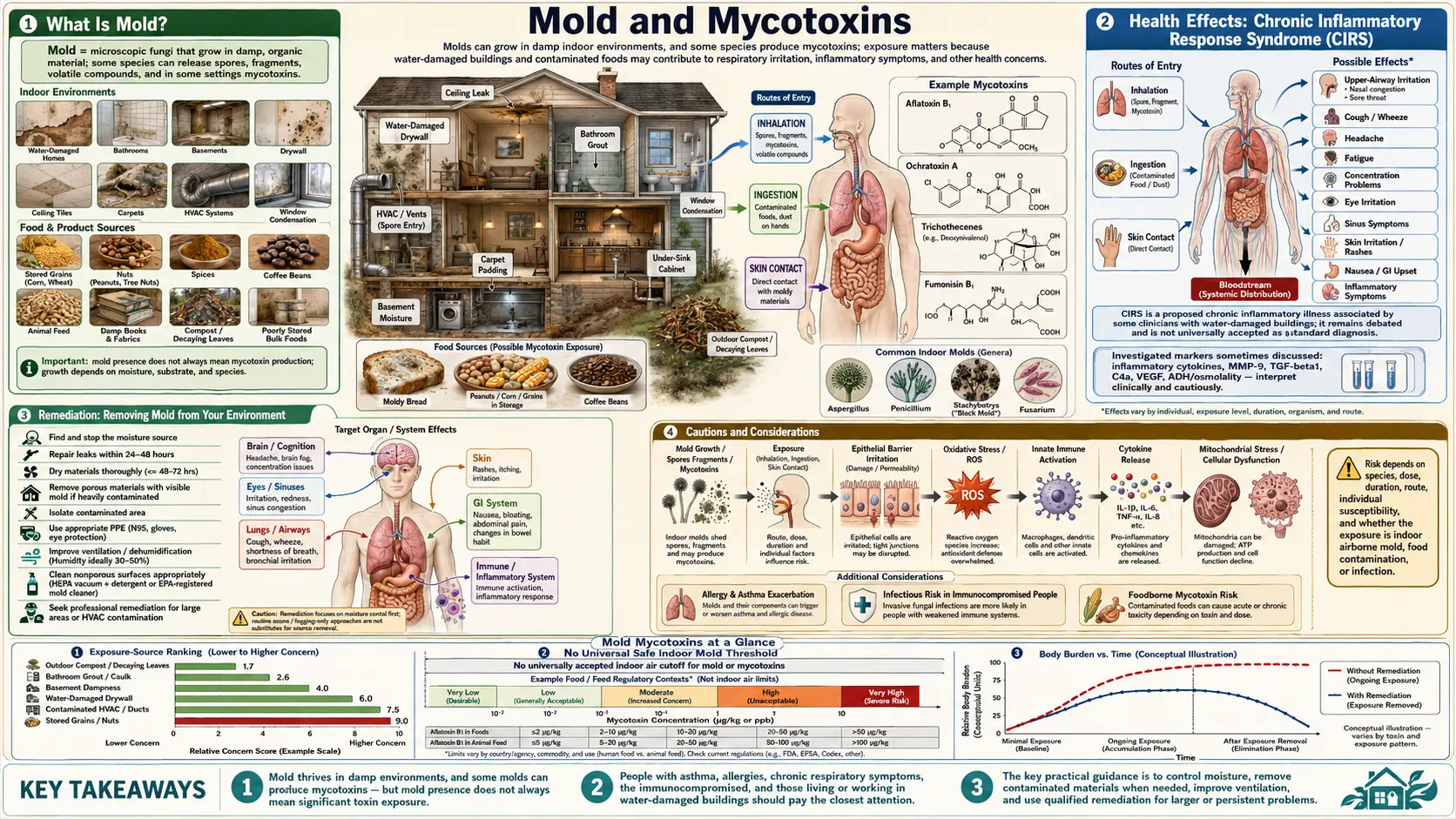
Table of Contents
- What Is Mold?
- Common Toxic Molds
- What Are Mycotoxins?
- How Exposure Occurs
- Health Effects: Chronic Inflammatory Response Syndrome (CIRS)
- Symptoms of Mold and Mycotoxin Exposure
- Who Is Most Vulnerable: HLA-DR Genetic Susceptibility
- Testing for Mold Exposure
- Remediation: Removing Mold from Your Environment
- Detoxification Protocol
- Mold and Mycotoxins in the Food Supply
- Prevention Strategies
- Cautions and Considerations
- Connections
- Featured Videos
What Is Mold?
Mold is a type of fungus that grows in multicellular filaments called hyphae. Molds are ubiquitous in the natural environment, where they play an essential role in decomposing organic matter. However, when mold colonizes indoor environments, particularly water-damaged buildings, it can produce potent toxic compounds called mycotoxins that pose serious risks to human health.
From a naturopathic perspective, mold illness represents one of the most underdiagnosed and misunderstood conditions in modern medicine. Patients suffering from chronic mold exposure are frequently dismissed or misdiagnosed with conditions such as fibromyalgia, chronic fatigue syndrome, depression, or anxiety, when the true root cause is ongoing biotoxin exposure from a contaminated environment.
Mold requires three conditions to thrive: moisture, warmth, and an organic food source. In buildings, this means that any area with water intrusion, high humidity, or condensation can become a breeding ground for toxic mold. Common sites include behind drywall, under carpets, inside HVAC systems, around windows, in basements, and in attics with poor ventilation.
Common Toxic Molds
While thousands of mold species exist, several are particularly notorious for colonizing indoor environments and producing harmful mycotoxins.
Stachybotrys chartarum (Black Mold)
- Appearance: Greenish-black, slimy mold that grows on materials with high cellulose content such as drywall, wood, paper, and ceiling tiles
- Mycotoxins produced: Satratoxins and other macrocyclic trichothecenes, which are among the most toxic compounds produced by indoor molds
- Health significance: Strongly associated with severe respiratory illness, neurological symptoms, immune suppression, and pulmonary hemorrhage in infants
- Growth conditions: Requires sustained moisture, making it a hallmark of chronic water damage rather than occasional dampness
Aspergillus
- Prevalence: One of the most common indoor molds, with over 185 species. Key pathogenic species include A. fumigatus, A. flavus, A. niger, and A. ochraceus
- Mycotoxins produced: Aflatoxins (A. flavus), ochratoxin A (A. ochraceus), and gliotoxin (A. fumigatus)
- Health significance: Can cause invasive aspergillosis in immunocompromised individuals, allergic bronchopulmonary aspergillosis (ABPA), and chronic sinusitis
- Food contamination: Aspergillus flavus is the primary producer of aflatoxins in grains, nuts, and other stored crops
Penicillium
- Prevalence: Extremely common in water-damaged buildings, frequently found on wallpaper, carpet, insulation, and decaying food
- Mycotoxins produced: Ochratoxin A, citrinin, and patulin
- Health significance: A major trigger of allergic reactions and asthma, and a significant source of mycotoxin exposure in both indoor environments and the food supply
- Characteristic: Often blue-green in color with a musty odor, and spreads rapidly through indoor environments
Chaetomium
- Growth habitat: Commonly found on water-damaged drywall, wallpaper, and other cellulose-rich materials
- Mycotoxins produced: Chaetoglobosins and sterigmatocystin
- Health significance: Associated with allergic reactions, neurological symptoms, and autoimmune activation. Often found alongside Stachybotrys in severely water-damaged buildings
- Detection challenge: Produces a distinctive musty odor but may grow hidden behind walls and under flooring
Fusarium
- Prevalence: Found in soil, water-damaged carpets, and humidifier systems, as well as on contaminated grains and cereals
- Mycotoxins produced: Trichothecenes (including deoxynivalenol/vomitoxin), zearalenone, and fumonisins
- Health significance: Trichothecenes are potent inhibitors of protein synthesis. Zearalenone is an estrogenic mycotoxin that disrupts hormone balance. Fumonisins are linked to esophageal cancer
- Agricultural impact: A major contaminant of corn, wheat, barley, and other cereal grains worldwide
Cladosporium
- Prevalence: One of the most common outdoor and indoor molds, found on decaying plant material, textiles, wood surfaces, and HVAC systems
- Health significance: While not typically a major mycotoxin producer, Cladosporium is a potent allergen and a frequent trigger of allergic rhinitis, asthma, and sinusitis
- Characteristic: Olive-green to brown or black in color, often found on painted surfaces, fiberglass duct liners, and the backs of toilets
What Are Mycotoxins?
Mycotoxins are secondary metabolites produced by mold fungi that are toxic to humans and animals. These compounds are chemically stable, resistant to heat, and can persist in the environment long after the mold that produced them has been killed or removed. This means that even a building where visible mold has been cleaned can remain contaminated with mycotoxins embedded in dust, materials, and furnishings.
Aflatoxins
- Produced by: Aspergillus flavus and Aspergillus parasiticus
- Classification: The most potent naturally occurring carcinogen known. Classified as a Group 1 human carcinogen by the WHO International Agency for Research on Cancer
- Health effects: Cause liver cancer (hepatocellular carcinoma), acute liver failure, immune suppression, and growth impairment in children
- Food sources: Commonly found in peanuts, tree nuts, corn, cottonseed, and dried figs, particularly in warm, humid climates
Ochratoxin A (OTA)
- Produced by: Aspergillus ochraceus, Aspergillus carbonarius, and Penicillium verrucosum
- Health effects: Nephrotoxic (kidney-damaging), immunotoxic, and a probable human carcinogen (Group 2B). Associated with Balkan endemic nephropathy and urinary tract tumors
- Food sources: Widely found in coffee, wine, dried fruits, cereals, cocoa, beer, and spices. One of the most commonly detected mycotoxins in the human diet
- Persistence: Has a long half-life in the human body (approximately 35 days), allowing it to accumulate with chronic exposure
Trichothecenes
- Produced by: Stachybotrys, Fusarium, and Myrothecium species
- Mechanism: Potent inhibitors of protein synthesis at the ribosomal level. They also damage DNA, suppress immune function, and cause oxidative stress
- Health effects: Cause nausea, vomiting, diarrhea, skin irritation, internal hemorrhaging, immune suppression, and neurological damage
- Warfare agent: Trichothecenes (specifically T-2 toxin) have been investigated as biological warfare agents due to their extreme toxicity and ability to penetrate skin
Gliotoxin
- Produced by: Aspergillus fumigatus, the most common cause of invasive fungal infection in immunocompromised patients
- Mechanism: A potent immunosuppressant that induces apoptosis (programmed cell death) in immune cells, particularly macrophages and T-cells
- Health effects: Suppresses the immune system's ability to fight infections and clear the mold itself, creating a vicious cycle of colonization and immune evasion
- Clinical significance: Elevated urinary gliotoxin levels are a marker of active Aspergillus exposure or colonization
Citrinin
- Produced by: Penicillium citrinum, Aspergillus terreus, and other species
- Health effects: Nephrotoxic, hepatotoxic, and genotoxic. Often co-occurs with ochratoxin A, and the combination produces synergistic toxicity greater than either alone
- Food sources: Found in grains, fermented foods, red yeast rice supplements, and aged cheeses
- Supplement concern: Red yeast rice, widely used as a natural cholesterol-lowering supplement, can contain significant citrinin contamination
How Exposure Occurs
Mycotoxin exposure occurs through three primary routes: inhalation, ingestion, and dermal (skin) contact. For most individuals suffering from chronic mold illness, inhalation of mycotoxin-laden spores and fragments in water-damaged buildings is the dominant exposure pathway.
Water-Damaged Buildings
- Prevalence: An estimated 50% of buildings in the United States have some degree of water damage, and approximately 25% have active mold growth that may produce mycotoxins
- Hidden growth: Mold frequently grows in concealed locations behind walls, above ceiling tiles, beneath flooring, and inside HVAC ductwork, where it can contaminate indoor air without any visible signs
- Inhalation exposure: Mold releases spores, hyphal fragments, and volatile organic compounds (MVOCs) into the air. These particles carry mycotoxins deep into the respiratory tract, where they can be absorbed into the bloodstream
- Ultrafine particles: Mycotoxins can be carried on ultrafine particles smaller than 1 micron that bypass the body's nasal filtration system and penetrate directly into the lungs and bloodstream
- Common causes: Roof leaks, plumbing failures, flooding, condensation, poor ventilation, and foundation cracks are the most common sources of water intrusion that lead to indoor mold growth
Contaminated Food
- Coffee: Coffee beans are highly susceptible to mold growth during harvesting, processing, and storage. Studies have found ochratoxin A in a significant percentage of commercially available coffee samples
- Grains and cereals: Wheat, corn, barley, oats, and rye are frequently contaminated with Fusarium mycotoxins (trichothecenes, fumonisins, zearalenone) and Aspergillus mycotoxins (aflatoxins)
- Nuts: Peanuts, pistachios, brazil nuts, and almonds are particularly susceptible to aflatoxin contamination, especially when grown or stored in warm, humid conditions
- Wine and beer: Ochratoxin A is commonly found in wine (especially red wine) and beer, originating from mold growth on grapes and barley during cultivation and storage
- Dried fruits: Raisins, figs, dates, and apricots frequently harbor ochratoxin A and aflatoxins due to mold growth during the drying and storage process
- Spices: Paprika, chili powder, black pepper, ginger, and turmeric have been found to contain significant levels of aflatoxins and ochratoxin A
Health Effects: Chronic Inflammatory Response Syndrome (CIRS)
Chronic Inflammatory Response Syndrome (CIRS), as defined by Dr. Ritchie Shoemaker, is a multi-system, multi-symptom illness caused by exposure to biotoxins, most commonly from water-damaged buildings. CIRS represents the most comprehensive clinical framework for understanding how mold and mycotoxin exposure can devastate human health.
The Shoemaker Protocol
- Biotoxin pathway: Dr. Shoemaker identified a specific cascade of inflammatory events triggered by biotoxin exposure in genetically susceptible individuals. Mycotoxins bind to toll-like receptors and trigger an uncontrolled innate immune response that produces chronic systemic inflammation
- Cytokine storm: The inflammatory cascade elevates cytokines (TGF-beta 1, C4a, MMP-9) while suppressing regulatory hormones (MSH, VIP, ADH), creating a state of persistent immune activation that does not resolve on its own
- Capillary hypoperfusion: CIRS causes reduced blood flow through the smallest blood vessels, leading to decreased oxygen delivery to tissues throughout the body, which contributes to the fatigue, cognitive impairment, and pain characteristic of the condition
- Treatment sequence: The Shoemaker protocol follows a specific step-by-step approach: remove from exposure, use cholestyramine to bind biotoxins, correct MARCoNS (nasal staph colonization), correct androgens, correct ADH/osmolality, correct MMP-9, correct VEGF, correct C3a/C4a, and finally correct TGF-beta 1 and VIP
Multi-System Impact
- Neurological: Mycotoxins cross the blood-brain barrier and cause neuroinflammation, leading to cognitive impairment, memory loss, difficulty concentrating, word-finding problems, and disorientation
- Respiratory: Chronic sinusitis, asthma, shortness of breath, chronic cough, and recurrent respiratory infections
- Musculoskeletal: Joint pain, muscle aches, morning stiffness, and fibromyalgia-like symptoms
- Gastrointestinal: Abdominal pain, diarrhea, nausea, leaky gut, and disruption of the gut microbiome
- Endocrine: Disruption of hormone production affecting thyroid function, adrenal function, sex hormones, and antidiuretic hormone (ADH)
- Immune: Both immune suppression (increased susceptibility to infections) and immune activation (autoimmunity, mast cell activation)
Symptoms of Mold and Mycotoxin Exposure
Mold illness presents with a bewildering array of symptoms that span virtually every organ system, which is why it is so frequently misdiagnosed. Patients often see dozens of specialists before the connection to mold exposure is identified.
Neurological and Cognitive Symptoms
- Brain fog: Difficulty thinking clearly, impaired concentration, reduced processing speed, and a sensation of mental cloudiness that patients often describe as their most debilitating symptom
- Memory problems: Short-term memory loss, difficulty retaining new information, forgetting appointments, and losing track of conversations
- Anxiety and depression: Mycotoxin-induced neuroinflammation can directly cause anxiety, depression, panic attacks, mood instability, and irritability
- Headaches: Chronic headaches and migraines, often with a pressure-like quality, that do not respond to standard treatments
- Dizziness and vertigo: Lightheadedness, balance problems, and episodes of vertigo
Physical Symptoms
- Fatigue: Profound, unrelenting exhaustion that is not relieved by sleep and is often the primary complaint of mold-exposed patients
- Chronic sinusitis: Persistent nasal congestion, sinus pressure, postnasal drip, and recurrent sinus infections that do not resolve with antibiotics
- Respiratory issues: Wheezing, shortness of breath, chronic cough, and asthma-like symptoms, particularly in environments with mold exposure
- Joint pain: Migrating joint pain and stiffness that mimics rheumatoid arthritis or other autoimmune conditions
- Skin rashes: Unexplained rashes, hives, dermatitis, and skin sensitivity that may come and go without an identifiable trigger
- Hormone disruption: Mycotoxins are endocrine disruptors that can cause thyroid dysfunction, adrenal fatigue, estrogen dominance, low testosterone, and irregular menstrual cycles
- Immune suppression: Frequent infections, slow wound healing, and recurrent illness reflecting mycotoxin-induced damage to immune cell function
Who Is Most Vulnerable: HLA-DR Genetic Susceptibility
One of the most important discoveries in mold illness research is the role of HLA-DR genes in determining individual susceptibility to chronic mold illness. This genetic factor explains why some individuals become severely ill from mold exposure while others in the same environment remain unaffected.
- HLA-DR haplotype: Human Leukocyte Antigen (HLA) genes code for proteins on the surface of immune cells that are responsible for presenting foreign substances to the immune system for recognition and clearance. Specific HLA-DR haplotypes impair the body's ability to recognize and clear mycotoxins
- 25% of the population: Approximately 25% of the general population carries HLA-DR haplotypes that make them susceptible to developing CIRS when exposed to biotoxins from water-damaged buildings. These individuals cannot properly tag mycotoxins for removal, allowing the toxins to recirculate and trigger persistent inflammation
- Multi-susceptible genotypes: Approximately 2% of the population carries "multi-susceptible" HLA-DR genotypes that make them vulnerable to multiple types of biotoxins, resulting in the most severe illness presentations
- Genetic testing: HLA-DR typing is available through standard laboratory testing and is a key component of the diagnostic workup for suspected CIRS. Identifying susceptible genotypes helps confirm the diagnosis and guides treatment expectations
- Family patterns: Because HLA-DR susceptibility is inherited, mold illness often runs in families. Multiple family members living in a water-damaged home may all become ill, while genetically resistant household members remain symptom-free
- Implications for recovery: Genetically susceptible individuals cannot rely on their immune system to clear mycotoxins naturally. Without intervention (binding agents, removal from exposure), the inflammatory cascade will continue indefinitely regardless of how long the person has been away from the mold source
Testing for Mold Exposure
Accurate diagnosis of mold illness requires a combination of patient testing, environmental testing, and clinical assessment. No single test is definitive, and a comprehensive approach is essential for proper diagnosis.
Urine Mycotoxin Testing
- What it measures: Detects mycotoxins and their metabolites in urine, providing direct evidence of mycotoxin exposure and body burden
- Laboratories: RealTime Laboratories and Great Plains Laboratory (now Mosaic Diagnostics) are the most widely used labs for urinary mycotoxin testing
- Provocation protocol: Many practitioners recommend a provocation protocol (glutathione, sauna, or exercise before collection) to mobilize stored mycotoxins and improve detection sensitivity
- Mycotoxins tested: Panels typically include aflatoxins, ochratoxin A, trichothecenes, gliotoxin, citrinin, zearalenone, and chaetoglobosin A
Environmental Testing (ERMI and HERTSMI-2)
- ERMI (Environmental Relative Moldiness Index): A DNA-based test developed by the EPA that analyzes dust samples for 36 species of mold and produces a numerical score indicating the relative moldiness of a building
- HERTSMI-2 (Health Effects Roster of Type-Specific formers of Mycotoxins and Inflammagens): A focused subset of the ERMI that tests for the five most toxigenic mold species (Aspergillus penicillioides, Aspergillus versicolor, Chaetomium globosum, Stachybotrys chartarum, and Wallemia sebi)
- Score interpretation: A HERTSMI-2 score below 11 is generally considered safe for mold-susceptible individuals, while scores above 15 indicate significant contamination requiring remediation
Visual Contrast Sensitivity (VCS) Test
- What it measures: VCS testing assesses the ability of the eye to detect subtle differences in contrast, which is impaired by the neurotoxic effects of mycotoxins on the optic nerve and visual processing centers
- Screening tool: Available online at survivingmold.com, the VCS test provides a rapid, inexpensive screening tool with approximately 92% sensitivity for detecting biotoxin-associated illness
- Monitoring progress: Serial VCS testing can be used to track treatment progress, with improvement in contrast sensitivity correlating with mycotoxin clearance and clinical improvement
Inflammatory Markers
- TGF-beta 1: Transforming Growth Factor beta 1 is often dramatically elevated in CIRS patients and drives fibrosis, autoimmunity, and immune dysregulation
- MMP-9 (Matrix Metalloproteinase-9): Elevated MMP-9 reflects the inflammatory cascade's effect on the extracellular matrix and is associated with increased permeability of the blood-brain barrier
- MSH (Melanocyte-Stimulating Hormone): MSH is typically suppressed in CIRS, contributing to sleep disruption, chronic pain, leaky gut, and susceptibility to MARCoNS (multiply antibiotic-resistant coagulase-negative staph) colonization in the nasal passages
- C4a: A complement split product that is elevated in the acute inflammatory response to biotoxin exposure and is one of the most sensitive markers for active mold exposure
- VEGF (Vascular Endothelial Growth Factor): Often dysregulated in CIRS, contributing to capillary hypoperfusion and oxygen delivery problems
- ADH and osmolality: Dysregulation of antidiuretic hormone is common in CIRS and causes chronic dehydration, excessive thirst, frequent urination, and static shocks
Remediation: Removing Mold from Your Environment
Environmental remediation is the single most critical step in recovering from mold illness. No amount of detoxification or medical treatment will produce lasting improvement if the patient continues to be exposed to a contaminated environment.
- Professional mold removal: Mold remediation should always be performed by certified professionals who follow IICRC S520 standards. DIY mold removal often spreads contamination and increases mycotoxin exposure
- Source identification: Before remediation can succeed, the underlying moisture source must be identified and corrected. This may require infrared thermal imaging, moisture meters, and thorough inspection of the building envelope
- Containment: Professional remediation involves establishing negative air pressure containment zones to prevent mold spores from spreading to unaffected areas during removal
- Material removal: Porous materials that have been colonized by mold (drywall, carpet, insulation, ceiling tiles) typically cannot be cleaned and must be removed and replaced
- HEPA air purifiers: High-efficiency particulate air (HEPA) purifiers can capture mold spores and mycotoxin-bearing particles down to 0.3 microns in size. Units with activated carbon filters also help remove mold volatile organic compounds (MVOCs)
- Dehumidifiers: Maintaining indoor humidity below 50% (ideally 30-40%) is essential for preventing mold regrowth. Whole-house dehumidification systems are recommended for chronically damp environments
- HVAC cleaning: Ductwork and HVAC components must be professionally cleaned and may need to be replaced if heavily contaminated. Mold in HVAC systems distributes spores throughout the entire building
- Belongings: Porous personal belongings (upholstered furniture, mattresses, clothing, books, papers) can harbor mycotoxins and may need to be discarded. Some patients with severe illness find that replacing contaminated belongings is necessary for full recovery
Detoxification Protocol
Once exposure has been eliminated, a comprehensive detoxification protocol can help the body clear accumulated mycotoxins. From a naturopathic perspective, supporting the body's inherent detoxification pathways is essential for recovery from mold illness.
Binding Agents
- Cholestyramine (CSM): A prescription bile acid sequestrant that is the cornerstone of the Shoemaker Protocol. Cholestyramine binds mycotoxins in the gut and prevents enterohepatic recirculation, allowing them to be excreted in the stool. Typical dosing is 4 grams four times daily, taken away from food and medications
- Welchol (colesevelam): An alternative bile acid sequestrant that is better tolerated than cholestyramine by some patients, though it may be less effective at binding certain mycotoxins
- Activated charcoal: A broad-spectrum binder that adsorbs a wide range of mycotoxins. Commonly used at 500-1000 mg between meals. Less targeted than cholestyramine but available without a prescription
- Bentonite clay: A natural clay mineral that binds aflatoxins and other mycotoxins through ion exchange. Used internally as a liquid suspension or capsule, taken away from food and supplements
- Chlorella: A single-celled green algae that binds heavy metals and mycotoxins while also providing nutritional support including chlorophyll, vitamins, and minerals. Typical dosing is 3-5 grams daily
Glutathione and Antioxidant Support
- Glutathione: The body's master antioxidant and primary detoxification molecule. Mycotoxin exposure depletes glutathione stores, impairing the liver's ability to process and excrete toxins. Liposomal glutathione (500-1000 mg daily) or nebulized glutathione may be used to restore levels
- N-Acetyl Cysteine (NAC): A precursor to glutathione that supports its production. NAC also has direct antioxidant, mucolytic, and anti-inflammatory properties. Typical dosing is 600-1800 mg daily
- Vitamin C: Supports glutathione recycling, immune function, and antioxidant defense. High-dose vitamin C (2-5 grams daily or intravenous) may be used during active detoxification
- Alpha-lipoic acid: A fat- and water-soluble antioxidant that supports glutathione recycling and mitochondrial function, both of which are impaired by mycotoxin exposure
Sweating and Sauna Therapy
- Infrared sauna: Far-infrared sauna therapy promotes the excretion of mycotoxins and other fat-soluble toxins through sweat. Studies have demonstrated that sweat contains measurable levels of mycotoxins, heavy metals, and other environmental toxins
- Protocol: Typical protocols involve 20-40 minute sessions at 120-150 degrees Fahrenheit, 3-5 times per week. It is essential to shower immediately after sauna to remove excreted toxins from the skin surface
- Hydration: Adequate hydration with electrolytes before, during, and after sauna sessions is critical. Mold-ill patients often have ADH dysregulation that impairs hydration status
- Exercise-induced sweating: For patients who cannot tolerate or access sauna therapy, any form of exercise that produces perspiration can support mycotoxin excretion through the skin
Mold and Mycotoxins in the Food Supply
Beyond indoor air exposure, the food supply represents a significant and often overlooked source of chronic mycotoxin exposure. Mycotoxin contamination of food is a global problem that affects both conventional and organic products.
- Coffee: Studies have found ochratoxin A in 33-80% of commercially available coffee samples. Wet-processed, single-origin, specialty-grade coffee tends to have lower mycotoxin levels than mass-market blends. Mold-sensitive individuals should seek third-party tested, low-mycotoxin coffee brands
- Grains: Wheat, corn, barley, oats, and rye are frequently contaminated with deoxynivalenol, aflatoxins, fumonisins, and zearalenone. Proper storage and processing can reduce but not eliminate mycotoxin levels
- Nuts and nut butters: Peanuts are the most susceptible to aflatoxin contamination, but tree nuts including pistachios, brazil nuts, and almonds are also at risk. The FDA allows up to 20 parts per billion of aflatoxins in food products
- Wine: Ochratoxin A contamination is common in wine, with red wines typically containing higher levels than white wines due to longer skin contact during fermentation. European wines tend to have higher OTA levels than wines from drier climates
- Dried fruits: The drying process creates ideal conditions for mold growth, and dried fruits including raisins, figs, apricots, and dates frequently contain ochratoxin A and aflatoxins
- Cheese: While mold is intentionally used in certain cheese production (blue cheese, brie, camembert), some cheese molds produce mycotoxins. Individuals with mold illness should exercise caution with moldy and aged cheeses
- Fermented foods: While generally health-promoting, some fermented foods can harbor mycotoxin-producing molds. Soy sauce, miso, and tempeh may contain low levels of aflatoxins depending on production conditions
Prevention Strategies
Preventing mold exposure and mycotoxin accumulation requires vigilance in both the built environment and dietary choices.
Home and Building Prevention
- Control moisture: Fix all leaks promptly. Address condensation problems. Ensure proper drainage away from the foundation. Maintain indoor humidity between 30-50%
- Ventilation: Ensure adequate ventilation in bathrooms, kitchens, laundry rooms, and crawl spaces. Use exhaust fans during and after showering and cooking
- Regular inspection: Inspect high-risk areas (basements, attics, bathrooms, under sinks, around windows) regularly for signs of water damage or mold growth
- Building materials: When building or renovating, choose mold-resistant materials including mold-resistant drywall, closed-cell spray foam insulation, and tile or hard flooring instead of carpet in moisture-prone areas
- HVAC maintenance: Change HVAC filters regularly (MERV-13 or higher recommended), have ductwork inspected and cleaned periodically, and ensure condensate drain lines are clear
- Water damage response: Any water intrusion must be dried within 24-48 hours to prevent mold growth. Promptly discard water-damaged porous materials that cannot be completely dried
Dietary Prevention
- Rotate foods: Avoid eating the same potentially contaminated foods (coffee, grains, nuts) every day. Rotation reduces cumulative mycotoxin exposure from any single source
- Storage: Store grains, nuts, seeds, and dried fruits in cool, dry conditions. Refrigeration significantly slows mycotoxin production. Discard any food that shows visible mold growth
- Source quality: Choose high-quality, properly stored foods. Single-origin, specialty-grade, and third-party tested products tend to have lower mycotoxin contamination
- Variety: Eat a diverse diet to minimize chronic exposure to any single mycotoxin. This is particularly important for grains and nuts
Cautions and Considerations
- Do not attempt self-remediation of significant mold problems. Improper mold removal can dramatically worsen exposure and spread contamination throughout a building. Always hire certified professionals for remediation
- Herxheimer reactions: Beginning a mycotoxin detoxification protocol can temporarily worsen symptoms as toxins are mobilized from tissue storage. Start binders and detox supports at low doses and increase gradually under practitioner guidance
- Drug interactions: Binding agents (cholestyramine, charcoal, clay) will bind medications and supplements. Take all binders at least 30-60 minutes away from other medications and supplements
- Cholestyramine requires a prescription and medical supervision. It can affect absorption of fat-soluble vitamins (A, D, E, K) and may cause gastrointestinal side effects
- Sauna therapy caution: Individuals with cardiovascular conditions, autonomic dysfunction, or severe adrenal fatigue should use sauna therapy cautiously and under medical supervision. Start with shorter sessions at lower temperatures
- Not a substitute for removal from exposure: No detoxification protocol will produce lasting improvement if the patient remains in a mold-contaminated environment. Remediation or relocation must be the first priority
- Testing limitations: Urine mycotoxin testing can produce false negatives if the body is not actively excreting mycotoxins. Provocation protocols improve sensitivity but are not standardized across laboratories
- Psychological impact: Mold illness can be profoundly isolating, as patients often face disbelief from family, friends, and medical professionals. Emotional support, stress management, and connection with knowledgeable practitioners are important components of recovery
- Professional guidance: Work with a practitioner experienced in mold illness (Shoemaker-certified physicians, naturopathic doctors, or functional medicine practitioners) to develop a personalized treatment plan. The complexity of CIRS and mycotoxin detoxification requires knowledgeable clinical oversight
Connections
- All Toxins
- NAC and Glutathione
- NAC
- Vitamin C
- Detoxification
- Sinusitis
- Asthma
- Fatigue
- Brain Fog
- Chronic Cough
- Shortness of Breath
- Chronic Fatigue Syndrome
- Adrenal Fatigue
- Heavy Metals
- Oxidative Stress
- Chlorella
- Leaky Gut
- Inflammatory Markers
- Turmeric